3D Metallic Chrome Logo Mockup Signage: A Realistic Way to Present Your Brand Identity
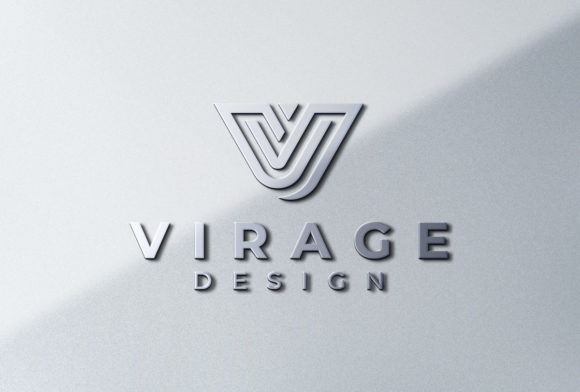
In today’s competitive design landscape, presenting a logo in a compelling and professional manner is essential. One of the most effective tools for showcasing your logo design in a realistic context is 3D Metallic Chrome Logo Mockup Signage. This type of mockup allows designers and businesses to visualize how their logos will appear on physical signage with a metallic chrome finish, providing an immersive and lifelike preview before production.
What Is 3D Metallic Chrome Logo Mockup Signage?
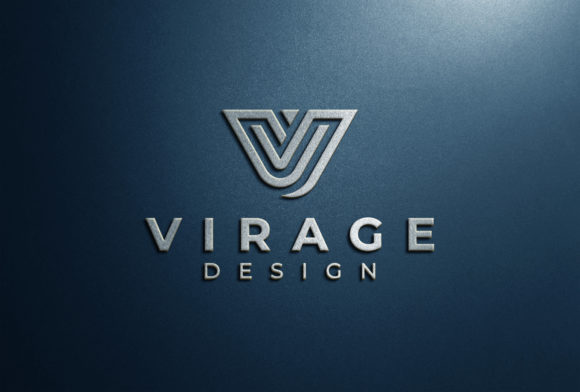
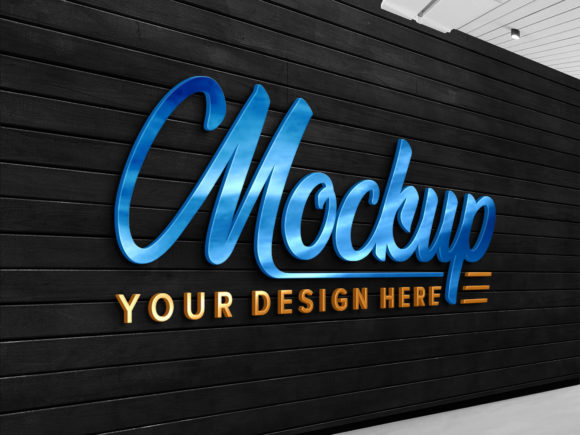
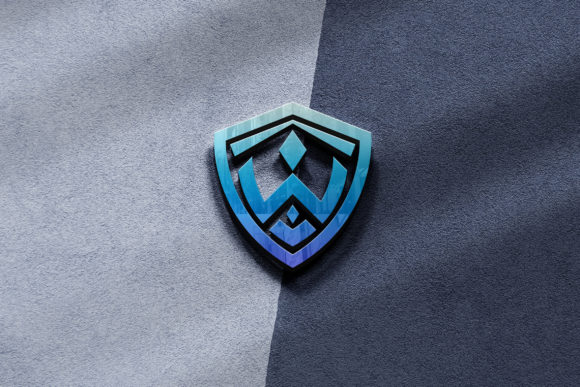
3D Metallic Chrome Logo Mockup Signage refers to a high-resolution digital template that simulates the look of a logo applied to a real-world sign or plaque made from metallic chrome material. These mockups are typically created using advanced Photoshop techniques and layered PSD files, which enable easy customization while maintaining photorealistic quality.
The key features of these mockups include:
- A realistic metallic chrome texture that mimics light reflection and surface sheen
- Layered and well-structured PSD files for efficient editing
- Use of Smart Objects, allowing users to replace placeholder logos without affecting the overall design
- Inclusion of real backgrounds and textures to enhance authenticity
- High resolution (often 2000x1350px) for sharp and detailed visuals
This format is especially popular among graphic designers who want to impress clients with a polished and professional presentation. The realism of the chrome effect adds a sense of sophistication and modernity, making it ideal for luxury brands, tech companies, or any business aiming for a sleek visual identity.
How It Compares to Other Logo Mockup Formats
While many types of logo mockups exist—such as flat designs, vector-based templates, and matte finish presentations—3D Metallic Chrome Logo Mockup Signage stands out due to its emphasis on depth, reflectivity, and realism. Here's how it stacks up against some common alternatives:
Flat vs. 3D Mockups
Flat logo mockups are minimalistic and often used for web or print applications where dimensionality isn't necessary. They can be useful for showing logos on business cards, websites, or packaging. However, when it comes to signage or product displays, a 3D mockup offers more value by giving a tangible sense of how the logo will look in space and under lighting conditions.
Metallic Finish vs. Matte Finish
A metallic chrome finish creates a bold, eye-catching appearance, whereas matte finishes offer a softer, more understated look. For industries such as automotive, fashion, or technology, the chrome finish can convey innovation and elegance. In contrast, a matte finish might suit more traditional or minimalist branding styles better.
Photorealism vs. Conceptual Mockups
Conceptual mockups often use abstract or stylized environments to highlight a logo's shape and color. While they can be visually appealing, they may not give a clear idea of the final product’s appearance. 3D Metallic Chrome Logo Mockup Signage provides a photorealistic result, helping stakeholders make informed decisions based on accurate representations.
Strengths of Using 3D Metallic Chrome Logo Mockup Signage
There are several reasons why professionals prefer using 3D Metallic Chrome Logo Mockup Signage:
- Professional Presentation: The realistic chrome effect makes the logo appear premium and high-quality, which is particularly important when pitching to clients or decision-makers.
- Easy Customization: Thanks to Smart Object layers in the PSD file, users can quickly swap out the logo, adjust colors, or tweak placement without needing advanced 3D modeling skills.
- Real-World Context: By placing the logo on a simulated metal sign, you provide a clearer understanding of how it will perform in actual environments, like storefronts or event booths.
- High Resolution Output: With a standard resolution of 2000x1350px, these mockups ensure clarity and detail even when printed at large sizes.
Best-Fit Situations for 3D Metallic Chrome Logo Mockup Signage
These mockups are most suitable in the following scenarios:
- Client Proposals: When presenting a new logo design to a client, using a 3D chrome mockup can help them envision the brand’s presence in the real world.
- Signage Design: Businesses planning to install chrome-plated signs at their premises benefit from seeing how the logo will look in different lighting angles and reflections.
- Portfolio Building: Designers looking to showcase their work professionally can use these mockups to add a touch of realism and variety to their portfolios.
- Marketing Materials: For promotional content that highlights the physical application of a logo, such as trade show banners or building exteriors, a chrome mockup enhances visual impact.
Limitations and Tradeoffs
Despite its advantages, there are certain limitations and considerations to keep in mind when using 3D Metallic Chrome Logo Mockup Signage:
- Design Complexity: Not all logos translate well to a metallic chrome look. Highly detailed or colorful logos may lose clarity due to the reflective nature of the material.
- Lighting Dependency: The appearance of the logo can vary significantly depending on the angle and intensity of light in the mockup. Adjustments may be needed to simulate different real-world lighting conditions.
- File Size and Performance: High-resolution 3D mockups can be resource-heavy, requiring a capable system to edit and render smoothly.
- Cost Implications: If the final product requires actual chrome signage, the cost of materials and manufacturing could be higher compared to other finishes.
It's also worth noting that while these mockups offer impressive realism, they are still simulations. Actual production results may differ slightly due to variations in material quality, printing methods, and environmental factors.
When to Choose 3D Metallic Chrome Logo Mockup Signage
Choosing 3D Metallic Chrome Logo Mockup Signage is appropriate when you need to present a logo in a high-end, dimensional context. It works best for:
- Brands targeting upscale or luxury markets
- Projects involving physical signage or display units
- Presentations where aesthetics and visual appeal play a major role
- Designers wanting to demonstrate adaptability across different surfaces and materials
If your goal is to create a simple, versatile logo presentation without emphasizing material properties, then a flat or matte mockup might be more suitable. Additionally, if your audience prefers a more conservative or classic aesthetic, a chrome finish may not align with their expectations.
Alternatives Worth Considering
Depending on your needs, you might explore other logo mockup options:
- Wooden Signage Mockups: Ideal for rustic or eco-friendly branding concepts.
- Glass or Mirror Mockups: Offer similar reflective qualities but with a different visual tone.
- Canvas or Fabric Mockups: Better suited for creative, artistic, or textile-related projects.
- Vector-Based Mockups: Allow for scalability and flexibility, especially when working across multiple formats and sizes.
Each alternative has its own set of strengths and weaknesses. For instance, glass mockups might produce harsher reflections than chrome, while wooden ones may feel less modern. The choice ultimately depends on the brand message and the intended application of the logo.
Creating a Realistic Mockup with a Layered PSD File
One of the core benefits of using a 3D Metallic Chrome Logo Mockup Signage is the ability to customize it easily. Most templates come as layered PSD files, which means you can modify individual elements without disrupting the entire composition. Here’s how it typically works:
- Open the PSD file in Adobe Photoshop.
- Locate the Smart Object layer containing the placeholder logo.
- Right-click and choose “Edit Contents” to insert your own design.
- Adjust the position, size, and alignment of your logo within the Smart Object.
- Save and close the Smart Object window to see the changes reflected in the full mockup.
Some templates also allow you to tweak lighting effects, background textures, and shadow intensities to fine-tune the appearance. This level of control ensures that the final mockup closely resembles what the physical signage would look like once produced.
Real Backgrounds and Textures for Authentic Results
Many 3D Metallic Chrome Logo Mockup Signage templates go beyond just chrome surfaces by incorporating real backgrounds and textures. These can include:
- Urban settings with ambient lighting
- Indoor environments like office lobbies or retail stores
- Outdoor scenes with natural sunlight or artificial lights
- Close-up shots highlighting the chrome’s reflective qualities
By integrating these real-world elements, the mockup becomes more than just a static image—it tells a story about how the logo functions in various contexts. This can be particularly valuable during brainstorming sessions or when refining a brand’s visual identity strategy.
Resolution and Quality Considerations
With a typical resolution of 2000x1350 pixels, these mockups are optimized for both digital and print use. High resolution ensures that the logo remains crisp and clear, even when viewed up close or scaled to larger sizes. However, it’s important to match the resolution to the intended output medium:
- Digital Displays: The high resolution is perfect for screens, presentations, and online proposals.
- Print Media: Confirm that the mockup meets the printer’s specifications, usually around 300dpi for professional-grade prints.
Always export the final version in the appropriate format and resolution for your specific use case to maintain quality and consistency.
Conclusion
3D Metallic Chrome Logo Mockup Signage is a powerful tool for designers and businesses seeking to present their logos in a realistic, high-impact format. Its combination of photorealistic rendering, ease of editing, and professional aesthetics makes it a strong contender for signage-related projects. However, it's important to consider whether this style aligns with your brand’s identity and project requirements.
Ultimately, the right mockup format depends on your goals, audience, and the environment where the logo will be used. Whether you're preparing for a client pitch, refining your portfolio, or exploring signage options, evaluating the fit between your logo and the mockup is crucial to delivering a compelling visual narrative.