The Evolution of Visual Identity: Mastering the Sketch Effect 3D for Modern Branding
In an era where digital saturation is at an all-time high, capturing attention requires more than just clarity; it demands a tactile sense of depth and authenticity. For professionals, creators, entrepreneurs, and marketers, the visual language of a brand must communicate both innovation and approachability simultaneously. This is where the Sketch Effect 3D emerges not merely as a stylistic choice, but as a strategic design asset. By blending the organic imperfection of hand-drawn aesthetics with the structural precision of three-dimensional rendering, this technique offers a unique solution for modern visual communication.
The demand for editable 3D vector text effects has surged among freelancers and enterprise designers alike. It represents a convergence of artistic expression and technical efficiency. Unlike traditional raster-based illustrations that can become pixelated or difficult to manipulate, the Sketch Effect 3D leverages vector technology to ensure scalability without compromising quality. This article explores the mechanics, market relevance, and practical applications of this transformative design trend, providing insight into why it is becoming a staple in contemporary creative workflows.
Defining the Sketch Effect 3D
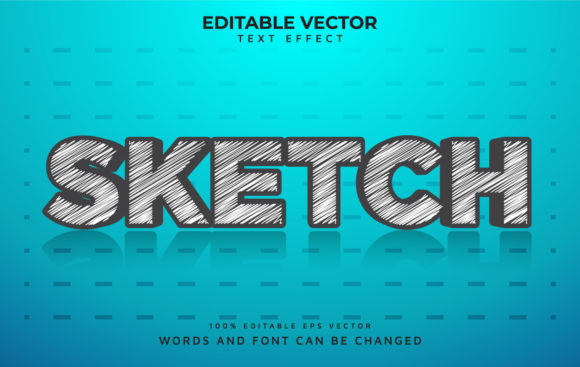
To understand the impact of this design style, one must first deconstruct its components. The term "Sketch Effect" refers to a visual aesthetic that mimics the characteristics of hand-drawn art—such as uneven lines, organic textures, and a sense of human touch. Historically associated with brainstorming sessions, storyboards, and informal note-taking, sketching conveys ideas in their rawest, most authentic form. When this effect is applied to typography and graphic elements, it breaks down the barriers between corporate rigidity and creative fluidity.
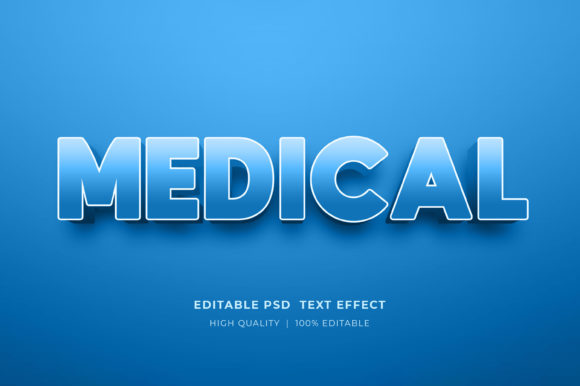
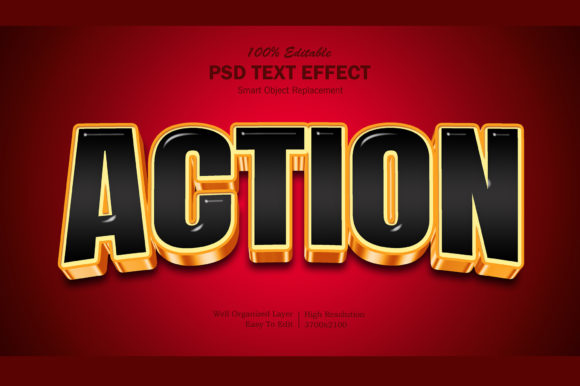
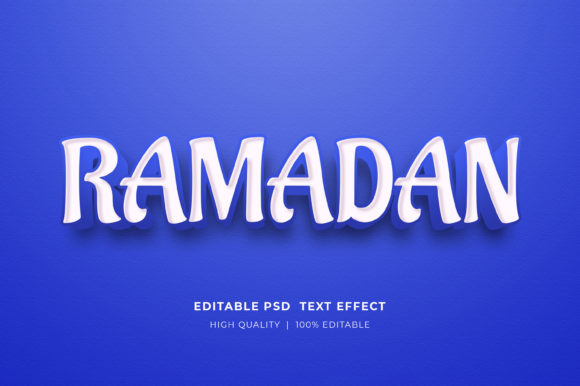
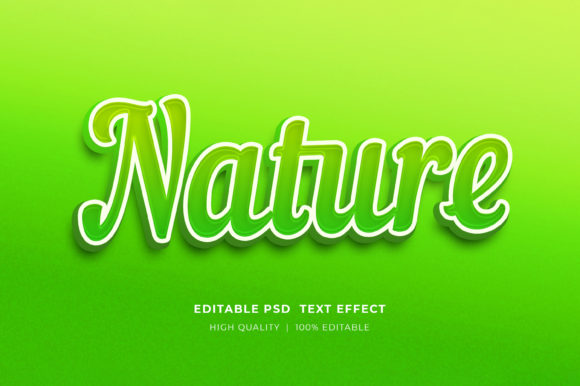
The "3D" component adds a layer of spatial realism. Traditional flat design, while popular for its minimalism, can sometimes feel sterile or two-dimensional on screens that are increasingly immersive. By introducing depth, shadows, and perspective, the 3D aspect grounds the sketchy elements in physical space. The result is a hybrid style that feels both playful and substantial. It suggests that the content is tangible and real, yet accessible and unpretentious.
Crucially, these designs are built using Editable 3D Vector Text Effects. This technical foundation distinguishes them from static images. Vectors are mathematical representations of shapes, meaning they can be scaled infinitely without loss of resolution. In the context of the Sketch Effect 3D, this means that the intricate details of the "sketch" lines remain crisp whether viewed on a mobile notification icon or a massive outdoor billboard. This capability is essential for brands that need to maintain consistency across diverse media channels.
Aligning with Current Market and Creative Trends
The rise of the Sketch Effect 3D is not an isolated phenomenon; it is a response to broader shifts in consumer psychology and digital consumption habits. Today’s audiences are weary of overly polished, AI-generated perfection. There is a growing preference for "human-centric" design that acknowledges the creator behind the work. This trend aligns with the wider movement toward authenticity in marketing, where transparency and relatability are valued over flawless production values.
Furthermore, the integration of 3D elements into web and app interfaces reflects the increasing sophistication of user experience (UX) design. As devices like smartphones and tablets offer higher refresh rates and better color gamuts, users expect richer visual interactions. The Sketch Effect 3D satisfies this expectation by providing depth cues that guide the eye and create a hierarchy of information. It transforms static text into interactive-looking objects, encouraging engagement.
From a technological standpoint, the accessibility of tools that support these effects has democratized high-end design. Previously, creating complex 3D sketches required extensive knowledge of software like Blender or Cinema 4D. Now, specialized templates and plugins allow designers to apply these effects with minimal friction. This ease of use has accelerated adoption across industries, from tech startups seeking to appear innovative to established corporations aiming to rejuvenate their image.
Why Professionals Are Paying Attention
For entrepreneurs and freelancers, time is a finite resource. The ability to produce high-impact visuals quickly is a competitive advantage. The Sketch Effect 3D, particularly when utilized through customizable templates, addresses this need directly. These assets are designed to be Fully Customizable, allowing users to tweak colors, fonts, and dimensions to match their specific brand guidelines without starting from scratch.
The emphasis on Free Font Used in many of these resources also lowers the barrier to entry. Designers can experiment with different typographic personalities without worrying about licensing fees or compatibility issues. This freedom fosters creativity, enabling teams to iterate rapidly during the conceptual phase. Whether it is a logo reveal, a social media campaign, or a presentation slide, the flexibility of these tools ensures that the final output is tailored to the project’s unique requirements.
Moreover, the High Resolution nature of vector-based 3D sketches ensures that brands do not have to compromise on quality for the sake of speed. In a market where visual fidelity can influence perceived value, maintaining sharp, clear graphics is non-negotiable. The Sketch Effect 3D delivers premium aesthetics that stand up to scrutiny, reinforcing trust and professionalism.
Practical Applications and Workflow Integration
The versatility of the Sketch Effect 3D makes it applicable across a wide spectrum of business functions. Here are several practical examples of how this design style can enhance various aspects of professional work:
- Brand Identity and Logo Design: A logo that combines sketch-like irregularity with 3D depth can convey a brand that is both creative and robust. It suggests a company that values craftsmanship while embracing modern technology. This duality is particularly effective for agencies, educational platforms, and lifestyle brands.
- Digital Marketing and Social Media: In the fast-scrolling environment of social media feeds, 3D elements grab attention. A post featuring a Sketch Effect 3D headline stands out against flat backgrounds. The texture and depth invite the user to pause and engage, increasing click-through rates and interaction times.
- Presentation Decks and Pitch Materials: Entrepreneurs pitching to investors need to capture interest immediately. Using 3D vector text in key slides can highlight core metrics or mission statements, making them memorable. The sketch effect adds a layer of informality that can help build rapport with the audience, making the pitch feel less like a lecture and more like a conversation.
- User Interface (UI) Elements: App developers are increasingly using textured, semi-3D icons to create distinctive navigation systems. The Sketch Effect 3D can be adapted for buttons, toggles, and progress indicators, adding personality to the user journey without cluttering the interface.
Integrating these assets into daily workflows is straightforward due to their Easy To Edit nature. Designers can import vector files into standard graphic design software, modify the path data to adjust line thickness or curvature, and export them in various formats suitable for web or print. This modularity supports agile design processes, where feedback loops are short and changes are frequent.
Looking Forward: The Future of Hybrid Design
As we look toward the future of digital design, the line between analog and digital will continue to blur. The Sketch Effect 3D is a prime example of this convergence, merging the warmth of hand-made art with the precision of computer-generated imagery. This trend is likely to persist as long as consumers seek authenticity in their digital experiences.
Technological advancements in augmented reality (AR) and virtual reality (VR) may further amplify the potential of 3D text effects. Imagine walking through a virtual showroom where product names are rendered in dynamic, sketch-style 3D letters that react to your movement. The foundational skills and assets developed today will serve as the building blocks for these immersive environments.
Additionally, the sustainability of digital design practices is becoming a consideration. Vector files are lightweight compared to high-resolution raster images, reducing data transfer loads and energy consumption. By adopting efficient, scalable design methods like the Sketch Effect 3D, professionals contribute to more sustainable digital ecosystems.
Conclusion
The Sketch Effect 3D represents more than just a fleeting design trend; it is a reflection of changing expectations in how we communicate visually. It bridges the gap between human creativity and technological capability, offering a solution that is both aesthetically pleasing and functionally superior. For professionals seeking to differentiate their work, the combination of Editable 3D Vector Text Effects, High Resolution quality, and Full Customizability provides a powerful toolkit.
By leveraging these assets, creators can produce content that resonates on a deeper level, engaging audiences through a blend of familiarity and novelty. Whether you are a freelancer crafting a personal brand or a marketer leading a global campaign, understanding and utilizing the Sketch Effect 3D can enhance your visual storytelling. In a crowded digital landscape, standing out requires more than just being seen; it requires being remembered. This design style offers a compelling way to leave a lasting impression.