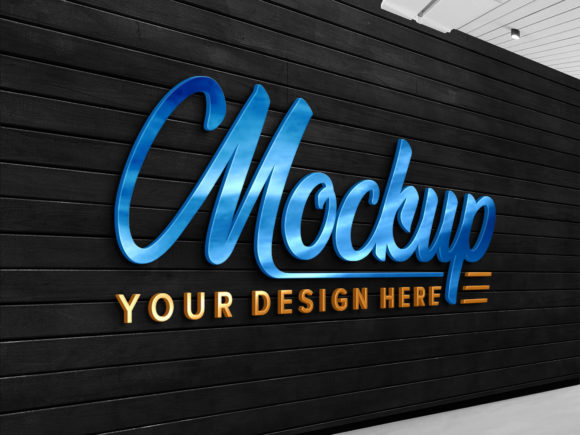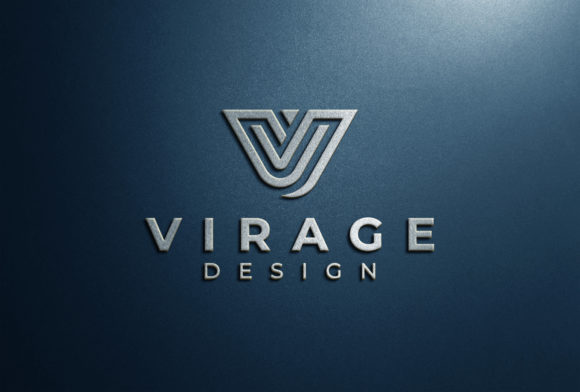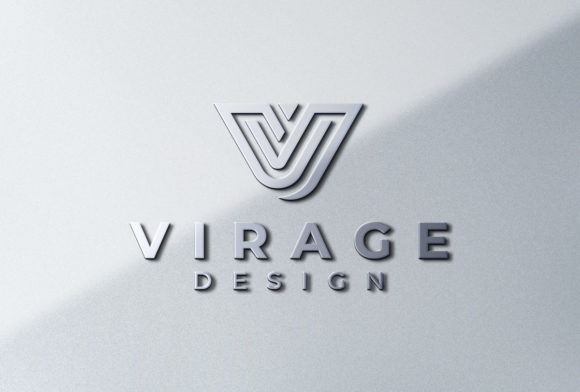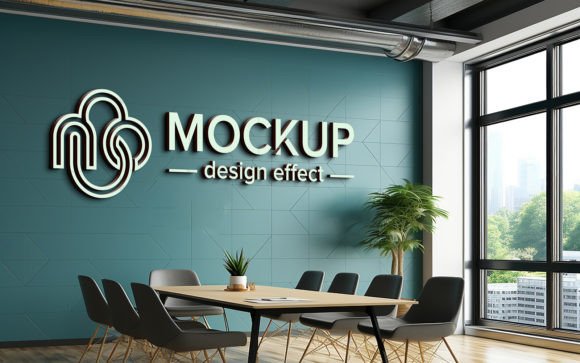
3D Logo Mockup Reflection Effect
In the world of visual branding, first impressions are not just important; they are instantaneous. A logo is more than a graphic mark—it is the face of your identity. When you present that identity to clients, investors, or customers, the context matters as much as the design itself. This is where the 3D Logo Mockup Reflection Effect transforms from a simple presentation tool into a powerful asset for professional credibility. It bridges the gap between a flat digital file and a tangible, premium product experience.
For designers, marketers, and entrepreneurs, showcasing a logo on a screen can sometimes feel abstract. Adding depth, lighting, and realistic reflections grounds the design in reality. It suggests quality, attention to detail, and modern sophistication. Whether you are a freelancer pitching a rebrand or a small business owner finalizing packaging designs, using high-fidelity mockups elevates your work from "draft" to "delivered." This guide explores how to leverage these tools effectively, ensuring your creative output remains clear, organized, and impactful.
The Power of Realism in Digital Presentation
Why does realism matter? Human brains are wired to process visual cues about texture and light instantly. A flat vector logo viewed against a white background lacks emotional weight. However, when that same logo appears embossed on a glossy surface with a subtle reflection, it triggers an association with physical products—premium packaging, sleek electronics, or polished signage. This psychological shift is critical for selling ideas.
A Super realistic, unique, useful, premium, modern mockup achieves this by mimicking real-world physics. It accounts for how light interacts with materials like glass, metal, or polished wood. By using templates based on real photos, rather than computer-generated renders that often look artificial, you gain a level of authenticity that resonates with audiences. The result is a presentation that feels tactile and expensive, even if it is purely digital.
Key Features That Streamline Your Workflow
Efficiency is the backbone of any successful design project. You do not want to spend hours fighting with complex software just to show a client what their logo looks like on a business card. The right mockup template should be intuitive, allowing you to focus on the creative outcome rather than the technical hurdles. Here is why specific features are non-negotiable for professional results:
- Adobe Photoshop Files (PSD): Compatibility is key. Working within the Adobe ecosystem ensures that your workflow remains seamless. These files are the industry standard for a reason—they offer robust editing capabilities without requiring specialized 3D modeling software.
- Easy to Edit with Smart Object: This is the most crucial feature. Smart Objects allow you to drag and drop your logo directly into the designated area. The template automatically handles the perspective, warping, and blending modes. You get a perfect fit in seconds, maintaining the integrity of both your logo and the scene.
- Changeable Background: Versatility allows for multiple uses. You might need a dark, moody aesthetic for a tech launch and a bright, airy setting for a lifestyle brand. Being able to swap backgrounds gives you control over the mood and context of the presentation.
- High Resolution & 300 DPI: Clarity cannot be compromised. Low-resolution images pixelate when printed or zoomed in, destroying the illusion of quality. High-resolution assets ensure that every texture, shadow, and reflection remains crisp, whether viewed on a mobile device or projected on a large screen.
- Organized Layers: Chaos kills creativity. Well-structured PSD files have clearly labeled layers. This organization makes it easy to adjust specific elements, such as tweaking the lighting or changing the material color, without affecting other parts of the image.
- Realistic Texture: The devil is in the details. Grain, scratches, and imperfections make a surface look real. A perfectly smooth, plastic-looking render often fails to convince the eye. Realistic textures add character and believability.
Creative Applications and Use Cases
The utility of a 3D Logo Mockup Reflection Effect extends far beyond a single static image. Different professionals can adapt these assets to meet diverse goals. For instance, marketers can use these visuals in social media campaigns to generate engagement. A video showing a logo materializing with a reflective sheen is far more arresting than a static post. Educators can use these mockups in workshops to teach students about brand presentation, demonstrating how context influences perception.
Freelancers and agencies benefit immensely during the proposal phase. Instead of sending a PDF of flat logos, presenting a suite of mockups creates a narrative. Imagine showing a logo reflected on a luxury watch face, then on a minimalist office door, and finally on a sleek app interface. This variety demonstrates the versatility of the design and helps clients visualize the brand’s potential across different touchpoints.
Small business owners often underestimate the power of consistency. Using the same high-quality mockup style for your website header, email signatures, and social media profiles builds a cohesive brand identity. It signals to your audience that you care about the details, which fosters trust and professionalism.
Practical Tips for Best Results
To get the most out of your 3D Logo Mockup Reflection Effect, consider the following practical advice:
- Maintain Contrast: Ensure your logo stands out against the background. If the reflection effect is heavy, simplify your logo design slightly to prevent visual clutter. The goal is clarity, not complexity.
- Match the Vibe: Choose mockups that align with your brand personality. A playful children’s brand might look out of place on a cold, metallic reflection. Opt for softer materials or brighter lighting for warmer tones. Conversely, a tech startup might thrive on sharp, chrome-like surfaces.
- Use the Help File: Most premium mockups come with a help file or instructions. Read it. Understanding the specific layer structure can save you time and prevent common errors, such as incorrect scaling or misaligned perspectives.
- Keep It Original: While templates provide a great starting point, avoid using the exact same mockup for every project. Mix and match backgrounds, lighting angles, and materials. This keeps your portfolio fresh and prevents your work from looking generic.
Conclusion: Elevating Your Design Standard
In a crowded digital landscape, standing out requires more than just a good idea. It requires excellent presentation. The 3D Logo Mockup Reflection Effect is not just a gimmick; it is a strategic tool for communicating value. By using super realistic, high-resolution templates that are easy to edit and highly customizable, you empower yourself to create presentations that impress.
Whether you are a seasoned designer refining your portfolio or a beginner taking your first steps into branding, investing in quality mockup resources pays off. It saves time, enhances your professional image, and ultimately helps your designs speak louder. Embrace the technology, respect the craft, and let your creativity shine through realistic, compelling visuals.