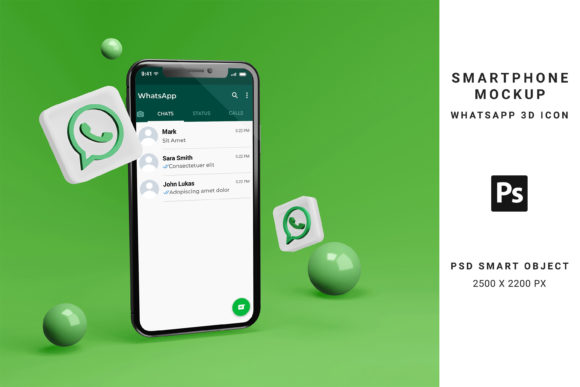
Smartphone Mockup with Whatsapp 3d Icon
In the competitive landscape of digital design, visual presentation is often the deciding factor between a project being accepted or rejected. Designers, developers, and marketing professionals constantly seek tools that streamline their workflow while elevating the perceived value of their work. One such tool gaining traction for its specific utility is the Smartphone Mockup with Whatsapp 3d Icon. This resource is designed not merely as a template, but as a strategic asset for presenting mobile application interfaces in a realistic, high-fidelity context.
Understanding the nuances of this mockup requires looking beyond its aesthetic appeal. It serves as a bridge between abstract design concepts and tangible user experiences. By placing an interface inside a recognizable device frame adorned with familiar icons like WhatsApp, designers can provide clients with a clearer understanding of how the final product will function in the real world. This article explores the functionality, benefits, and practical applications of this specific mockup type, helping you determine if it aligns with your professional needs.
What Is the Smartphone Mockup with Whatsapp 3d Icon?
At its core, a smartphone mockup is a digital file, typically in Photoshop (PSD) format, that simulates the appearance of a physical device. The Smartphone Mockup with Whatsapp 3d Icon takes this concept further by incorporating three-dimensional rendering elements. Unlike flat, two-dimensional templates, 3D mockups use lighting, shadows, and perspective to create depth, making the screen appear as though it is part of a real object sitting on a surface or held in a hand.
The inclusion of the WhatsApp icon is a deliberate design choice. WhatsApp remains one of the most ubiquitous communication apps globally. Its presence on the home screen of a mockup provides immediate context: the device is active, connected, and ready for communication. For designers showcasing messaging apps, social platforms, or customer support interfaces, this contextual cue reduces cognitive load for the viewer. They instantly understand the nature of the application being presented without needing extensive verbal explanation.
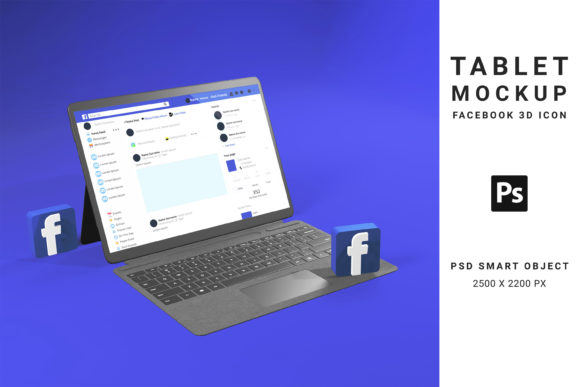
Technically, these files are engineered for efficiency. They utilize smart objects within Adobe Photoshop, allowing designers to replace the default screen image with their own designs seamlessly. The standard specifications for this particular mockup include a resolution of 2500px by 2200px, ensuring that the output is crisp enough for both web display and high-quality print materials. However, it is important to note that the actual UI design placed inside the phone is not included; the mockup provides only the container and the realistic framing.
Why Professionals Choose This Specific Mockup
The decision to use a Smartphone Mockup with Whatsapp 3d Icon over generic alternatives usually stems from a need for specificity and realism. Here are several reasons why this tool is favored in professional portfolios and client presentations.
- Enhanced Realism: The 3D aspect adds a layer of professionalism that flat images cannot match. Shadows and reflections interact with the screen content, grounding the design in reality. This helps clients visualize the product more accurately, reducing the gap between expectation and delivery.
- Contextual Relevance: If your design involves communication features, having the WhatsApp icon visible reinforces the app’s purpose. It signals to stakeholders that connectivity and user engagement are central themes of the project.
- Speed and Efficiency: Modern designers often juggle multiple projects. The ease of use described in the product details—simply copy, paste into the smart object, and done—allows for rapid iteration. This speed is crucial when preparing multiple variations of a design for A/B testing or different client feedback rounds.
- Portfolio Appeal: A well-rendered 3D mockup stands out in a portfolio. It demonstrates attention to detail and an understanding of presentation aesthetics, which can be as important as the design itself when seeking new opportunities.
Benefits and Practical Considerations
While the advantages are clear, it is essential to evaluate the tradeoffs and considerations associated with using this type of mockup. Being balanced in your assessment ensures you select the right tool for the right job.
Benefits
The primary benefit is the reduction of friction in the design-to-presentation pipeline. Because the file is set up with smart objects, there is no need for complex masking or manual alignment. You simply drag and drop your screenshot, and the software handles the perspective warping. This minimizes the risk of human error, such as misaligned edges or distorted images, which can undermine the credibility of a presentation.
Furthermore, the high resolution (2500x2200px) ensures scalability. Whether you are embedding the image in a low-resolution email summary or printing a large poster for a design conference, the quality remains intact. This versatility makes it a valuable long-term asset for any design library.
Considerations and Tradeoffs
However, users should be aware that the Smartphone Mockup with Whatsapp 3d Icon is static. It represents a single state of the application. If your design relies heavily on animations, transitions, or interactive prototypes, a static mockup may not fully capture the essence of the user experience. In such cases, video mockups or interactive prototype links might be more appropriate.
Additionally, the reliance on Photoshop means that designers must have access to this software. While PSD files are industry-standard, they are not universally editable across all design platforms. If your team uses Figma or Sketch exclusively, converting the PSD to a compatible format may introduce minor adjustments in layer structures or effects.
Situational Fit: When to Use This Mockup
Determining whether this mockup is the right choice depends largely on the stage of your project and the audience you are addressing.
This tool is particularly strong fit for client presentations. Clients often lack technical expertise and struggle to interpret wireframes or low-fidelity sketches. A photorealistic 3D mockup provides a concrete visual anchor. When a client sees their logo and interface on a sleek, modern smartphone with familiar app icons, they feel a sense of ownership and excitement about the final product.
It is also ideal for social media marketing. Platforms like Instagram and LinkedIn favor visually striking content. A 3D render of a smartphone with a prominent WhatsApp icon is eye-catching and likely to generate higher engagement rates than a flat screenshot. It stops the scroll and invites viewers to examine the design details.
Conversely, during the early ideation phase, this mockup might be overkill. When brainstorming layouts or testing basic usability, simple grayscale wireframes are sufficient. Investing time in rendering a high-fidelity 3D mockup too early can lead to wasted effort if significant structural changes are required later.
Alternatives and Decision-Making Insights
If the Smartphone Mockup with Whatsapp 3d Icon does not meet your specific needs, several alternatives exist. For projects requiring animation, consider using Lottie files or video overlays. For broader device compatibility, look for multi-device mockup bundles that include tablets and desktop screens, providing a holistic view of responsive design.
When evaluating options, ask yourself three questions:
- Is realism critical for my audience? If yes, 3D mockups are superior. If the audience is technical, flat designs may be preferred for clarity.
- Does the context matter? If the app is communication-focused, the WhatsApp icon adds value. If it is a finance or gaming app, a generic or themed icon might be more appropriate.
- What is my software ecosystem? Ensure your team has the necessary tools to edit the PSD file efficiently.
Ultimately, the Smartphone Mockup with Whatsapp 3d Icon is a specialized tool for a specific purpose. It excels in scenarios where visual impact, contextual relevance, and presentation speed are prioritized. By understanding its capabilities and limitations, designers can make informed decisions that enhance their workflow and effectively communicate their creative vision.