Exploring the Beauty and Utility of Abstract 3D Fluid Gradient Dynamic Shape Design
Abstract 3D fluid gradient dynamic shape design is a modern and visually captivating form of digital art that blends creativity with advanced technology. These designs are often used to create futuristic, vibrant, and minimalistic backgrounds, banners, and backdrops for various applications such as web design, branding, advertising, and more. In this article, we will explore what these designs are, how they are created, their significance in today's digital world, and why they are a valuable asset for both beginners and professionals in graphic design.
What Is an Abstract 3D Fluid Gradient Dynamic Shape?
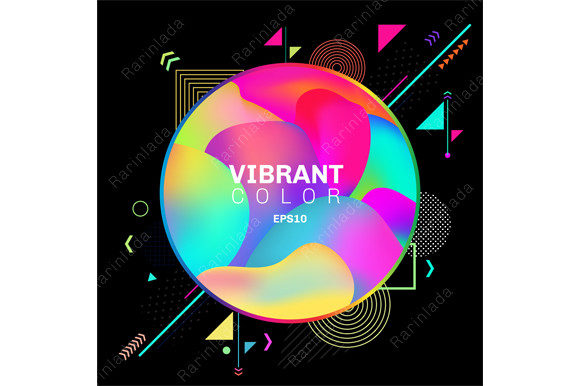
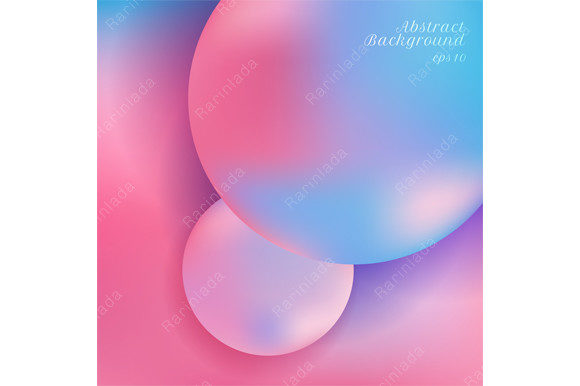
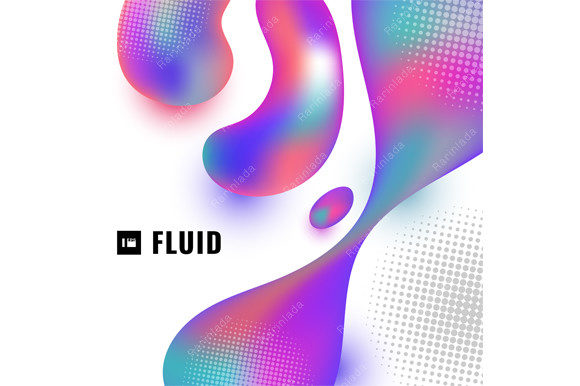
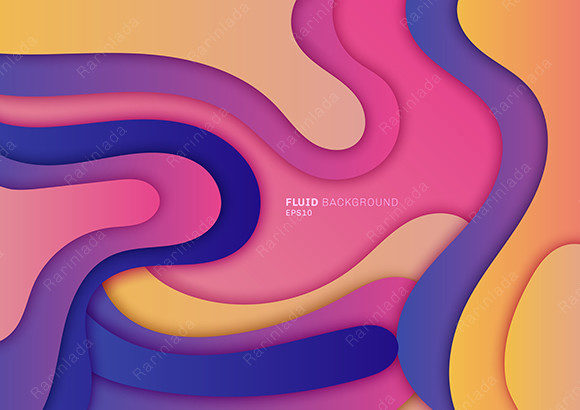
An abstract 3D fluid gradient dynamic shape refers to a type of vector illustration that features smooth, flowing forms and colors. Unlike traditional geometric shapes, these designs use organic curves and gradients to mimic the movement and appearance of liquid or other natural elements. The "dynamic" aspect suggests motion and change, while the "3D" component adds depth and realism to the visual experience.
The term fluid gradient describes the seamless transition between colors that resembles the way liquids blend together. This effect can be achieved through advanced vector tools and techniques, resulting in a look that feels alive and constantly evolving.
Key Features of These Designs
- High Resolution: These graphics are typically provided at 300 dpi, ensuring crisp and clear visuals suitable for print and high-quality digital displays.
- Vector-Based: Being fully vector-based means they are scalable without losing quality, making them ideal for logos, websites, and marketing materials.
- Minimalist Aesthetic: Many of these designs follow a minimalist style, using clean lines and bold color choices to make a strong visual impact.
- Fully Editable: Users can modify every element of the design—colors, shapes, gradients—using programs like Adobe Illustrator or Corel Draw.
- No Watermark: Clean, professional files free from any distracting watermarks or logos.
The Purpose and Significance of Abstract 3D Fluid Designs
In the fast-paced digital world, standing out is essential. Abstract 3D fluid gradient dynamic shapes offer a unique way to capture attention and convey emotion through visuals. They are not just decorative; they serve functional purposes in multiple industries:
- Web and App Design: These designs are frequently used as background elements to enhance user experience. Their vibrant and futuristic appeal makes them perfect for tech-related websites, mobile apps, and landing pages.
- Branding and Marketing: Companies use fluid abstract graphics to communicate innovation, creativity, and modernity. Whether it's a banner for a product launch or a backdrop for a promotional video, these visuals help reinforce brand identity.
- Presentations and Education: Educators and presenters often incorporate such designs into slides and infographics to keep the audience engaged and to highlight complex topics with visual clarity.
- Creative Projects: Artists and designers love working with fluid shapes because they allow for experimentation and expression beyond conventional styles.
Why Use Vector Illustrations?
Vector illustrations have several advantages over raster images (like JPEGs or PNGs). Because vectors are made up of mathematical equations rather than pixels, they can be scaled infinitely without quality loss. This makes them especially useful for projects that require flexibility in size and format. Additionally, vector files are editable, meaning you can easily adjust colors, gradients, and shapes to match your specific needs.
How These Designs Fit Into Modern Life and Work
In our increasingly digital society, the demand for high-quality, adaptable graphics has never been higher. Abstract 3D fluid designs cater to this need by offering a blend of aesthetics and functionality. Here’s how they fit into different aspects of life and work:
Business Applications
For businesses, especially those in the tech, creative, or entertainment sectors, using abstract 3D fluid designs can set the tone for a forward-thinking brand image. These designs can be found in:
- Company websites and homepages
- Product packaging and promotional materials
- Social media banners and headers
- Email templates and newsletters
They are also popular in corporate presentations, where a modern and dynamic look can help engage stakeholders and clients.
Education and E-Learning
Educational platforms and e-learning websites benefit from these designs by creating visually stimulating environments that encourage learning. Abstract backgrounds can reduce visual clutter while still providing an engaging backdrop for educational content.
Technology and InnovationAs technology evolves, so does the design language that represents it. Abstract 3D fluid designs are often associated with artificial intelligence, virtual reality, and other cutting-edge fields. Their use in tech brochures, app interfaces, and even UI/UX mockups helps designers communicate the feel of innovation and progress.
Creating Your Own Abstract 3D Fluid Design
Designing an abstract 3D fluid gradient dynamic shape may seem daunting at first, but with the right tools and understanding, it becomes a rewarding process. Here are some steps to get started:
- Choose the Right Software: Adobe Illustrator, CorelDRAW, and similar vector-based programs are essential for creating and editing these designs. They offer precise control over gradients, shapes, and shadows.
- Experiment with Gradients: Start by selecting a base shape and applying a fluid gradient. Use soft transitions between colors to create a sense of motion and depth.
- Add 3D Elements: Incorporate lighting and shadow effects to give your design a three-dimensional feel. This step transforms flat shapes into immersive visual experiences.
- Play with Movement and Flow: Use dynamic curves and overlapping shapes to simulate the flow of liquid or energy. This is where the design truly comes to life.
- Export in Multiple Formats: Once your design is complete, export it in formats like EPS and JPG to ensure compatibility across different platforms and uses.
With practice, anyone can develop the skills needed to create stunning abstract 3D fluid designs. Online tutorials and templates can also be helpful resources for beginners.
Common Misconceptions About Abstract 3D Fluid Designs
Despite their growing popularity, there are still some misunderstandings about what these designs can do and who they're for. Let’s clarify a few:
- Only for Experts: While mastering vector design takes time, many abstract 3D fluid templates are fully editable and easy to customize, even for those with basic design knowledge.
- Too Fancy for Practical Use: On the contrary, these designs are incredibly versatile. They can be simplified or enhanced depending on the context, making them suitable for everything from logos to large-scale posters.
- Not Suitable for Minimalism: Some people think abstract designs are too busy for minimalistic layouts. However, when done right, fluid abstract shapes can support a clean and modern aesthetic by adding subtle interest without overwhelming the viewer.
Practical Examples of Use
To better understand how these designs can be applied, let's look at some real-world examples:
1. Website Backgrounds
A startup launching a new app might use an abstract 3D fluid background to represent the app's innovative nature. The vibrant colors and dynamic shapes evoke energy and excitement, aligning with the company’s mission.
2. Social Media Banners
Instagram and Facebook allow users to upload custom-sized banners. An abstract 3D fluid banner with a shadowy gradient could be used to promote a music festival or art exhibition, drawing users in with its colorful and artistic presentation.
3. Product Packaging
A cosmetics brand might use a fluid gradient design on the box of a new skincare line. The soft, flowing colors and 3D effects can symbolize purity and rejuvenation, enhancing the product’s appeal.
4. Infographics and Data Visualization
Infographics often rely on eye-catching visuals to simplify complex data. A fluid abstract backdrop can guide the viewer's focus toward key information without competing with the content itself.
Why Choose High-Resolution Vector Files?
When sourcing abstract 3D fluid designs, choosing high-resolution vector files ensures you get the most value from your purchase. Here’s why it matters:
- Clarity and Detail: At 300 dpi, these designs maintain sharpness and detail, which is crucial for both digital and print media.
- Flexibility: Vector files allow for full customization. You can change colors, add text, or restructure the layout without worrying about pixelation or distortion.
- Compatibility: Files in EPS Version 10 and JPG formats are widely supported across design software and platforms, making them accessible and practical for most users.
- Professional Quality: Whether you’re designing for a client or personal project, using vector graphics gives you a polished, professional finish.
EPS vs. JPG: What's the Difference?
Understanding the difference between file formats is important when downloading and using these designs:
- EPS (Encapsulated PostScript): Ideal for print and high-quality scaling. It retains all vector data, allowing for future edits.
- JPG (Joint Photographic Experts Group): Best for digital use, such as websites or social media. It’s a raster format, so it doesn’t scale well but offers excellent compression for online sharing.
Having access to both formats ensures you can use the design in a variety of ways without compromising quality.
Where to Use These Designs
Abstract 3D fluid gradient dynamic shape designs are incredibly versatile. Here are some common areas where they can be used effectively:
- Corporate Branding: Use them in logos, business cards, or website headers to showcase a modern and creative brand identity.
- UI/UX Design: Integrate these designs into app interfaces or dashboards to create a futuristic and intuitive user experience.
- Print Materials: From brochures to posters, these designs adapt well to print media due to their high resolution and scalability.
- Digital Art Projects: Artists can layer these designs with other elements to build complex compositions or animations.
- Backgrounds for Presentations: Replace plain white or black slides with fluid abstract shapes to make your presentation stand out.
Combining with Other Design Elements
One of the strengths of these abstract designs is their ability to complement other elements. For instance, a simple logo placed against a vibrant fluid backdrop can become much more impactful. Similarly, pairing them with clean typography and subtle icons enhances readability and visual harmony.
Conclusion
Abstract 3D fluid gradient dynamic shape designs are more than just beautiful visuals—they are powerful tools that can elevate your creative and professional projects. With their high-resolution quality, vector-based flexibility, and vibrant, futuristic appeal, they are an excellent choice for anyone looking to add a touch of modern elegance to their work. Whether you're a seasoned designer or just starting out, understanding and utilizing these designs can open up new possibilities in your creative journey.
By exploring the purpose, application, and creation process of these designs, you can begin to see how they contribute to the evolving landscape of digital art and graphic design. As trends continue to shift towards more dynamic and expressive visuals, abstract 3D fluid designs are sure to remain a staple in the industry.