Abstract 3D Colorful Fluid Shape: A Guide to Choosing and Using High-Quality Vector Graphics
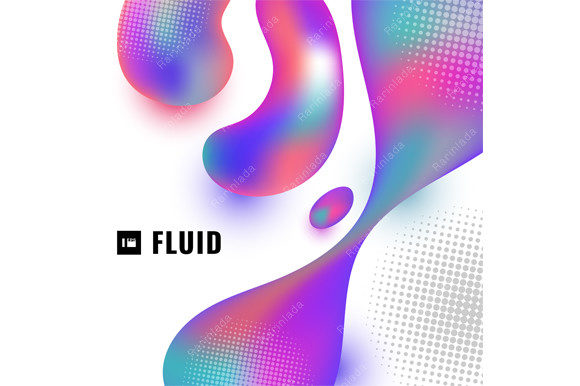
Abstract 3D colorful fluid shape designs have become a staple in modern graphic design, offering a dynamic and artistic approach to visual storytelling. These vector illustrations combine vibrant hues, smooth transitions, and three-dimensional depth to create eye-catching imagery that can be used across various platforms—from website headers to print materials. When you’re working on a project that demands creativity and flexibility, an abstract 3D colorful fluid shape with halftone on a white background can add a professional touch while allowing for complete customization.
What Is an Abstract 3D Colorful Fluid Shape?
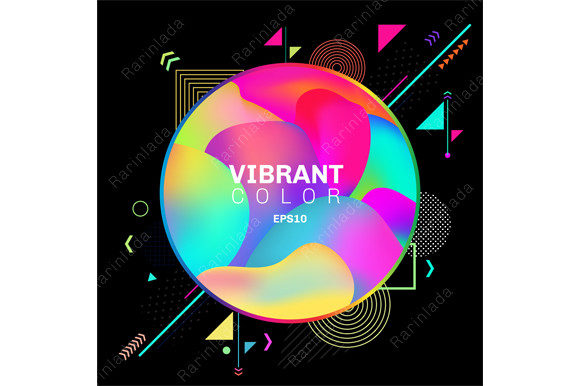
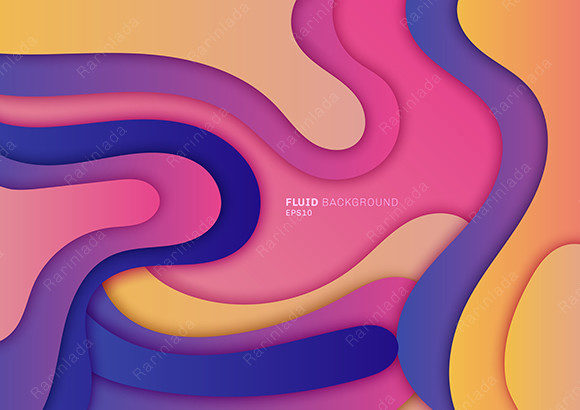
An abstract 3D colorful fluid shape is a stylized digital illustration featuring organic, flowing forms that mimic the movement of liquid or amorphous matter. These shapes are often rendered in bold colors, gradients, and textures like halftones to enhance their visual appeal. The “3D” aspect refers to the added dimensionality, giving the artwork a sense of depth and realism that flat designs cannot achieve.
Such graphics are typically created using vector-based software like Adobe Illustrator or CorelDRAW. Because they are 100% vector, these files remain crisp and scalable at any size, making them ideal for both digital and print applications. The high-resolution output (often 300 dpi) ensures clarity even when printed professionally.
Why People Choose This Design
Designers, marketers, educators, and entrepreneurs often turn to abstract 3D colorful fluid shapes because they:
- Enhance brand aesthetics with unique and modern visuals.
- Offer versatility—perfect for backgrounds, logos, infographics, and promotional materials.
- Are fully editable, allowing users to tweak colors, shapes, and effects without compromising quality.
- Provide a clean and contemporary look that stands out in today’s competitive market.
With no watermark and support for multiple formats such as EPS Version 10 and JPG, this type of file gives users the freedom to work within their preferred tools while ensuring compatibility and professional results.
Common Mistakes When Choosing Vector Graphics
While abstract 3D colorful fluid shape designs offer immense value, there are several common mistakes people make when selecting or using them:
1. Ignoring File Format Compatibility
One of the most overlooked aspects is whether the file format matches your workflow. If you're using Adobe Illustrator but receive a file in an outdated or unsupported version, you may face issues opening or editing it. Always confirm that the file includes EPS Version 10 or another compatible format if you plan to modify it yourself.
Better approach: Before purchasing, check the description or contact the seller to ensure the file works seamlessly with your design software.
2. Assuming All "Vector" Files Are Editable
Not all files labeled as “vector” are fully editable. Some might contain embedded raster images or complex effects that lock layers or prevent changes. For example, a halftone effect applied incorrectly could make it impossible to adjust individual elements of the design.
How to avoid it: Look for descriptions that explicitly state the file is 100% vector and fully editable. You can also request a preview or sample before buying.
3. Underestimating the Importance of Resolution
High-resolution files are crucial for print work. If you download a low-quality version thinking it will suffice for posters or flyers, you’ll end up with pixelated edges and a loss of detail. The recommended resolution for print is usually 300 dpi, which ensures sharpness and clarity.
Solution: Verify that the file comes in 300 dpi resolution if it's intended for print use. For web-only projects, lower resolutions may still be acceptable, but it’s always good to have the option.
Pitfalls in Applying These Designs
Even if you've chosen the right file, applying it correctly is just as important. Here are some missteps to watch out for:
1. Poor Layer Organization
Some vector files come with disorganized layers or merged objects, which makes editing difficult. For instance, trying to isolate a specific color or shape in a cluttered layer setup can lead to frustration and wasted time.
Example: Imagine you want to change the gradient on one of the fluid shapes, but all elements are grouped together. You might accidentally distort other parts of the image.
Corrective tip: Choose files that are well-structured and clearly named. Reputable designers often provide layered versions to streamline the editing process.
2. Overlooking the Background Context
A design with a halftone texture on a white background may not always blend well with your own layout. The halftone pattern could clash with other elements or reduce readability if placed over text. It's easy to get distracted by the beauty of the shape and forget how it interacts with surrounding content.
Realistic fix: Test the design in different contexts before finalizing its placement. Use transparency settings or apply subtle adjustments to ensure harmony with your overall composition.
How These Errors Impact Your Work
Making the wrong choices when downloading or using an abstract 3D colorful fluid shape can affect multiple areas of your project:
- Visual quality: Low-res or improperly formatted files can result in blurry or distorted images.
- Editing efficiency: Merged layers or non-editable elements slow down the design process and limit creative freedom.
- Professionalism: Clashing design elements or poor integration into your project can diminish the perceived quality of your final product.
- Cost: Time spent troubleshooting or redoing work due to incompatible files adds unnecessary expenses, especially for freelancers or small businesses on tight schedules.
Practical Tips for Getting the Most Out of These Files
To maximize the usability and impact of your abstract 3D colorful fluid shape design, consider the following advice:
Use It as a Base Layer
Instead of placing the shape directly over your content, use it as a base layer with reduced opacity. This allows you to build on top of it while maintaining visual balance. For example, place it behind a logo or text block to create depth without overwhelming the message.
Experiment with Color Variations
Since the file is fully editable, don’t hesitate to tweak the colors to better match your brand palette. Try converting the original vibrant tones to monochrome or pastel shades depending on your needs. This adaptability is one of the key strengths of vector-based art.
Test Across Devices and Print Sizes
Before finalizing your project, preview the design on different screens and in print form. Check how it looks on mobile devices, large monitors, and physical media like brochures or banners. This helps identify potential scaling or visibility issues early on.
Questions to Ask Before Downloading or Purchasing
Before committing to an abstract 3D colorful fluid shape design, ask yourself these questions to avoid future headaches:
- Is the file 100% vector and fully editable in my design software?
- Does it include the necessary formats (like EPS Version 10) for my intended use?
- Is the resolution adequate for both digital and print purposes (typically 300 dpi for print)?
- Are the layers organized, and can I easily modify individual components?
- Will the halftone or background texture interfere with other design elements?
Answering these questions ensures you select a design that meets your technical requirements and creative goals.
Where to Find Quality Abstract 3D Colorful Fluid Shapes
There are many platforms where you can find abstract 3D colorful fluid shape designs, including stock image websites, design marketplaces, and personal portfolios of illustrators. However, not all sources are equal. Some may offer compressed or low-quality files disguised as vector graphics.
Pro tip: Opt for sellers who provide clear previews and detailed descriptions. Reading customer reviews can also help gauge the reliability and quality of the file before purchase.
Final Thoughts on Abstract 3D Colorful Fluid Shape Usage
When done right, abstract 3D colorful fluid shape designs can elevate your visuals and save you time during the creative process. But careful consideration is needed to avoid common pitfalls. By understanding the nuances of vector files, testing them thoroughly, and choosing designs that align with your project’s needs, you’ll set yourself up for success.
Remember, the best designs are those that are not only beautiful but also functional. Whether you're a beginner learning to navigate Adobe Illustrator or a seasoned marketer preparing for a campaign launch, knowing what to look for in a vector file will help you make smarter, more effective choices.