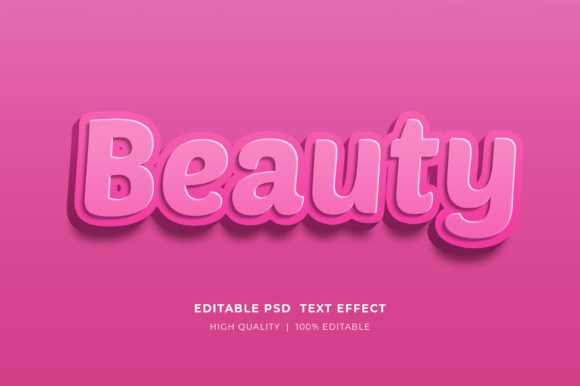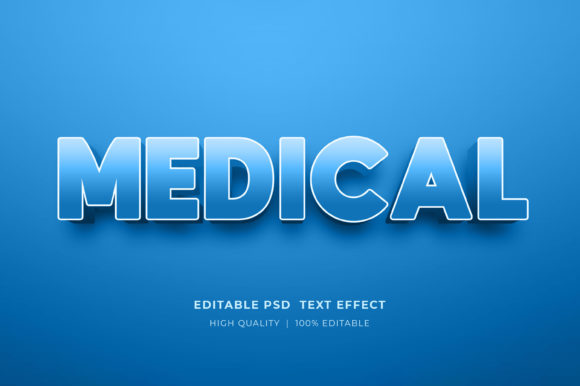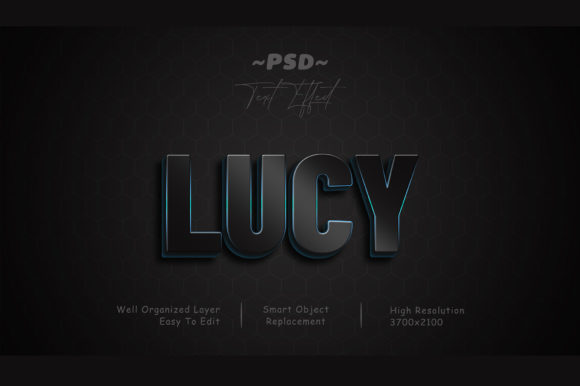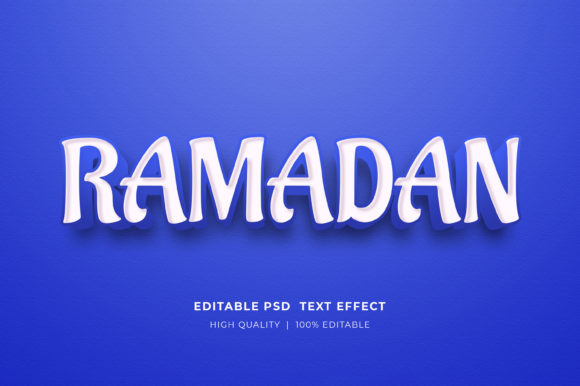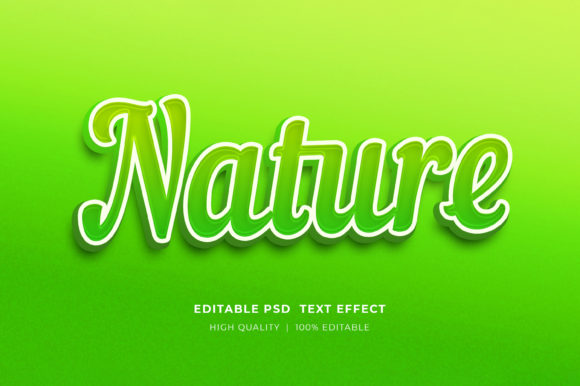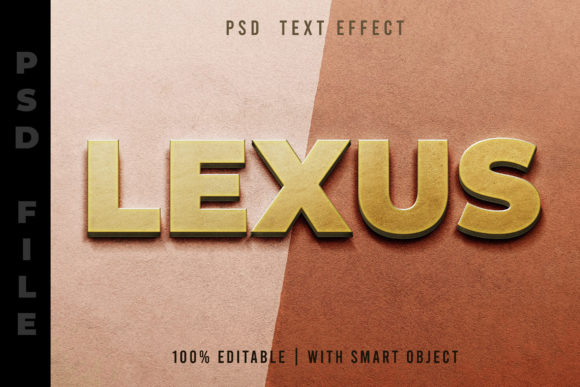
Elevate Your Designs with Super-Realistic, Fully Editable 3D Text Effects
In the fast-paced world of digital design, first impressions are everything. Whether you are crafting a brand identity for a startup, designing a promotional poster for a music festival, or creating eye-catching social media graphics, typography is often the focal point that draws the viewer in. However, standard flat text can sometimes lack the visual weight and impact required to stand out in a crowded digital landscape. This is where super-realistic 3D text effects come into play, transforming simple words into tangible, immersive objects that demand attention.
For designers and creative professionals, the challenge has historically been balancing high-quality aesthetics with workflow efficiency. Creating realistic 3D typography from scratch requires advanced skills in lighting, shadow mapping, texture rendering, and spatial composition. While powerful software like Blender or Cinema 4D offers incredible control, the learning curve can be steep and time-consuming. Fortunately, modern design workflows have evolved to include premium, ready-to-use assets that bridge this gap. By utilizing high-resolution, editable PSD files featuring smart object technology, creators can achieve studio-grade results in minutes rather than hours.
The Power of Photorealism in Modern Typography
Why does realism matter in digital text? In an era dominated by augmented reality (AR) and virtual environments, users have developed an expectation for depth and tactile quality in visual content. A text effect that mimics real-world materials—such as brushed metal, polished glass, wet concrete, or soft foam—creates a subconscious connection between the viewer and the design. It suggests substance, permanence, and professionalism.
Super-realistic textures do more than just look good; they convey mood and tone. For instance, a gold-leafed, embossed font might suggest luxury and exclusivity, perfect for a high-end fashion brand. Conversely, a gritty, weathered concrete texture might evoke strength and urban culture, ideal for streetwear or sports marketing. When these effects are rendered at very high resolution, down to the microscopic detail of surface imperfections, they prevent the "digital" look that often plagues lower-quality designs. This level of fidelity ensures that your work remains crisp and compelling, even when viewed on large-format displays or printed on physical merchandise.
Bridging the Gap Between Artistry and Efficiency
One of the most significant hurdles for freelance designers and small business owners is time management. Spending days modeling and rendering a single headline is rarely feasible within typical project deadlines. This is where the utility of editable 3D text effect templates becomes undeniable. These assets are not static images; they are dynamic tools designed to integrate seamlessly into your existing creative process.
By leveraging Adobe Photoshop Files (PSD) equipped with Smart Object capabilities, you gain the best of both worlds: professional-grade visuals and complete creative control. Smart Objects allow you to replace placeholder text with your own copy while automatically preserving the complex 3D warping, lighting, and shading effects applied to the original template. This means you don’t need to understand the underlying geometry or lighting rigs used to create the effect. You simply double-click the layer, type your message, save, and watch the 3D magic update instantly.
Key Features That Define Premium Design Assets
Not all 3D text templates are created equal. To ensure your projects maintain a premium standard, it is crucial to select assets that adhere to specific technical criteria. Below, we explore the essential features that distinguish a high-quality, useful design file from a mediocre one.
1. Adobe Photoshop Compatibility and Smart Object Integration
The backbone of any efficient text effect workflow is compatibility with industry-standard software. Adobe Photoshop remains the go-to tool for graphic designers due to its robust layering system and pixel-perfect editing capabilities. A premium 3D text effect should be delivered as a native PSD file, ensuring that all filters, blend modes, and adjustment layers function correctly without corruption or missing data.
The inclusion of Smart Objects is non-negotiable for modern workflows. This feature allows for non-destructive editing. If you decide later that a different font or color palette would better suit your brand, you can swap it out without losing the intricate 3D details. This flexibility encourages experimentation, allowing you to test multiple variations of a design before committing to a final version.
2. Changeable Backgrounds and Organized Layers
A versatile design asset must adapt to various contexts. Many beginners assume that a 3D text effect is tied to a specific background image, but premium templates are designed with changeable backgrounds in mind. Typically, these files include separate layers for shadows, reflections, and ambient occlusion, allowing you to place the text over any image or solid color with natural integration.
Furthermore, organized layers are critical for usability. A well-structured PSD file will have clearly labeled groups and layers, such as "Main Text," "Shadow Layer," "Reflection," and "Adjustments." This organization makes it easy to isolate specific elements for further tweaking. For example, if you want to adjust the intensity of the drop shadow independently of the main text, having dedicated layers simplifies the process significantly. Without this structure, designers often find themselves navigating through dozens of unlabelled sub-layers, wasting valuable time.
3. High Resolution and 300 DPI Standards
Resolution is the difference between a design that looks sharp on a mobile screen and one that appears blurry when printed. Premium 3D text effects are typically provided at 300 DPI (dots per inch) and high pixel dimensions. This specification is the industry standard for print media, ensuring that your designs are ready for business cards, posters, banners, and packaging.
Even if your primary output is digital, working with high-resolution files provides future-proofing. As screen densities increase with technologies like Retina displays and 4K monitors, low-resolution assets become visibly pixelated. Starting with a high-res source gives you the freedom to scale up your designs without degradation, maintaining the integrity of the realistic textures and fine details.
Practical Applications Across Industries
The versatility of editable 3D text effects extends far beyond simple graphic design. Here is how different sectors can leverage these tools to enhance their visual communication:
- Marketing and Advertising: Create striking headlines for email campaigns, landing pages, and social media ads. The added depth of 3D text increases click-through rates by capturing user attention amidst scrolling feeds.
- Event Promotion: Concerts, conferences, and festivals require energetic and bold typography. Realistic textures like neon lights, smoke, or metallic finishes can evoke the atmosphere of the event directly in the promotional material.
- Product Packaging: Mockup designers use 3D text effects to visualize how branding will look on bottles, boxes, and cans before production begins. This helps stakeholders approve designs faster and reduces costly printing errors.
- Education and E-Learning: Instructors and course creators can use stylized 3D titles to make slide decks and video thumbnails more engaging, helping to retain student interest and improve information retention.
Maximizing Value with Included File Formats
To truly appreciate the value of a premium design asset, it is helpful to look at what is included in the package. A comprehensive download usually contains three key components:
- PSD File: The master file containing all editable layers, smart objects, and effects. This is your primary workspace for customization.
- JPG Image Preview: High-quality preview images that showcase the effect in various contexts. These are useful for inspiration, portfolio presentation, or quick reference without needing to open the heavy PSD file.
- Help File: A guide or instruction manual that walks you through the installation and usage process. For beginners, this is invaluable. It explains how to replace text, change colors, and troubleshoot common issues, ensuring a smooth start to your design journey.
Overcoming Common Misconceptions
There is a common misconception that using pre-made templates stifles creativity. In reality, the opposite is true. Templates act as a foundation, freeing up mental energy and time for higher-level creative decisions. Instead of struggling with the technicalities of light sources and material physics, you can focus on composition, color theory, and messaging. Think of these 3D text effects as a toolkit; they provide the specialized instruments, while you provide the vision and direction.
Another myth is that 3D effects are only suitable for tech-savvy users. With the intuitive nature of Smart Objects and the widespread adoption of Photoshop, anyone with basic computer literacy can produce stunning results. The barrier to entry has never been lower, democratizing access to professional-grade design aesthetics.
Conclusion
Incorporating super-realistic, fully editable 3D text effects into your design repertoire is a strategic move that enhances both the quality and speed of your work. By choosing assets that offer high resolution, organized layers, and seamless Photoshop integration, you empower yourself to create designs that are not only visually arresting but also practically viable across multiple mediums. Whether you are a seasoned professional looking to streamline your workflow or a beginner eager to elevate your portfolio, these premium tools provide the perfect balance of artistry and efficiency. Embrace the power of realistic 3D typography and transform your ideas into impactful visual realities.