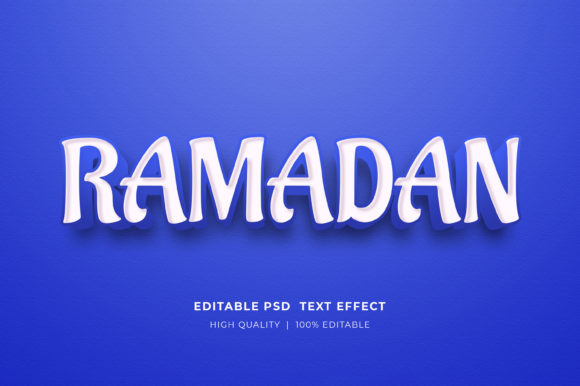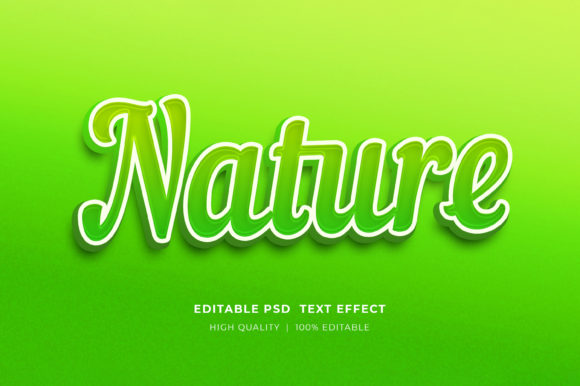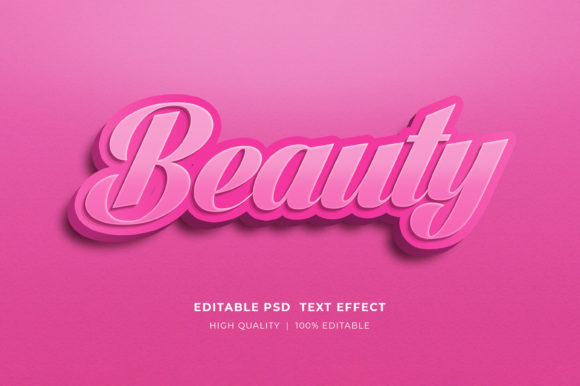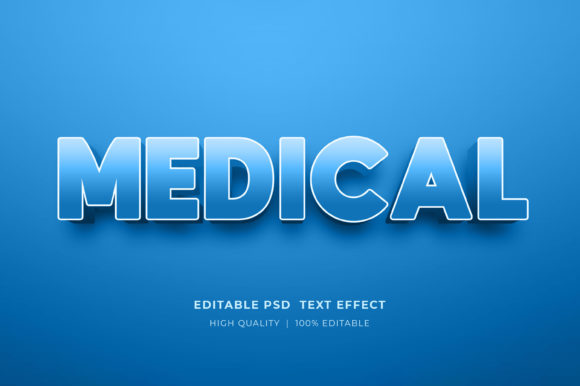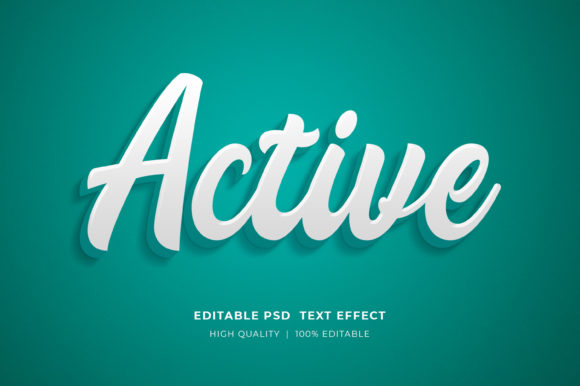
Active 3D Editable Text Style Effect
In the rapidly evolving landscape of digital design, visual impact is paramount. Whether you are a seasoned graphic designer crafting a brand identity or a small business owner creating social media assets, the ability to produce high-quality, eye-catching graphics quickly is essential. One tool that has gained significant traction among creators is the Active 3D Editable Text Style Effect. This resource offers a streamlined approach to adding depth, dimension, and professional polish to text-based designs without requiring extensive manual effort.
This article explores what this effect entails, how it functions within Adobe Photoshop, and why it serves as a valuable asset for a wide range of creative projects. By understanding its features and applications, users can make informed decisions about integrating these templates into their workflow.
Understanding the Active 3D Editable Text Style Effect
At its core, the Active 3D Editable Text Style Effect is a pre-designed template built for Adobe Photoshop. It allows users to apply complex three-dimensional text styling with minimal intervention. Unlike traditional methods where designers must manually adjust layer styles, bevels, embossing, and lighting angles for every new text element, this effect provides a "smart" solution. The term "editable" is key here; it signifies that the underlying structure is designed for modification, allowing users to customize the content while retaining the sophisticated visual style.
The primary purpose of such effects is to bridge the gap between time efficiency and aesthetic quality. For professionals working under tight deadlines, spending hours perfecting the extrusion of a single word is often impractical. These templates offer a shortcut to achieving studio-quality results. They are particularly useful for individuals who may not have advanced skills in 3D modeling but still desire the look of premium typography.
Key Features and Characteristics
To fully appreciate the utility of the Active 3D Editable Text Style Effect, it is important to examine its technical specifications and user-friendly features. These characteristics are designed to enhance the user experience and ensure compatibility with various project requirements.
- Smart Object Technology: The foundation of this effect relies on Smart Objects. In Photoshop, a Smart Object is a container that holds image data from raster or vector images. This means that when you double-click the smart object layer, a new tab opens, isolating the editable area. You can then use the Type Tool to click on the text and replace it with your desired words. Crucially, any changes made inside the Smart Object automatically update the 3D effect in the main document, preserving all shadows, highlights, and textures.
- High-Resolution and RGB Compatibility: Designed for both screen and print media, these files are typically provided in RGB color mode at high resolutions. This ensures that colors remain vibrant on digital platforms like Facebook or websites, while also providing sufficient detail for printing purposes.
- Well-Organized Layer Structure: A common frustration with downloaded templates is messy layer palettes. However, well-crafted effects feature organized layers. This makes it easy to isolate specific elements, adjust individual components, or experiment with different background settings without disrupting the entire composition.
- Editable Text and Colors: Beyond just changing the font content, many variations allow for adjustments in color schemes. This flexibility enables designers to match the text effect to their brand guidelines or seasonal themes.
Practical Applications and Use Cases
The versatility of the Active 3D Editable Text Style Effect makes it suitable for a diverse array of industries and creative endeavors. Its adaptability stems from the fact that text is a universal element in communication. Below are several scenarios where this tool proves invaluable.
Digital Marketing and Social Media
In the age of scrolling, static images need to grab attention instantly. 3D text adds a tactile quality to flat screens, making posts stand out. Creators can use these effects to design engaging Facebook timeline covers, Instagram story backgrounds, or YouTube thumbnails. The bold nature of 3D typography conveys authority and excitement, which is ideal for promotional banners and web ads.
Print Materials and Merchandise
While primarily digital, the principles of 3D text translate well to print. Designers can utilize these templates for creating flyers, posters, and marketing brochures. Furthermore, the demand for custom merchandise continues to rise. Print-on-Demand (POD) sellers and those creating T-shirt designs benefit greatly from these effects. A striking 3D logo or slogan can transform a plain garment into a fashion statement. Similarly, for authors using Kindle Direct Publishing (KDP), a compelling 3D title treatment on a book cover can significantly increase click-through rates.
Brand Identity and Presentations
For businesses launching new products or services, consistency in branding is vital. Using a standardized 3D text effect across various materials—from business cards to website headers—creates a cohesive visual identity. Additionally, during logo presentations or pitch decks, 3D text can add a dynamic flair that captures stakeholder interest more effectively than standard flat fonts.
How to Use and Extract the Files
Accessing and utilizing these design resources requires a few straightforward steps. Since the files are delivered in a compressed format to save space and protect integrity, users must first extract them.
- Extraction: Once downloaded, you will receive a ZIP folder. Simply right-click on this folder and select "Extract Here" or "Unzip." This action restores the original PSD files, making them accessible.
- Opening in Photoshop: Launch Adobe Photoshop and open the extracted .PSD file. Ensure you have the latest version of Photoshop installed to support all Smart Object features.
- Editing the Text: Locate the Smart Object layer in the Layers panel. Double-click the thumbnail icon next to the layer name. A new window will appear containing the placeholder text.
- Customization: Select the Type Tool (T) from the toolbar, click on the existing text, and type your new message. Adjust the font size, alignment, or font family if the template allows. Save the changes (Ctrl+S or Cmd+S) and close the tab. The main document will immediately reflect your updates.
Evaluating Suitability and Considerations
While the Active 3D Editable Text Style Effect offers numerous advantages, it is important to approach its usage with realistic expectations. It is a template, not a magic wand. The quality of the final output depends largely on the initial design of the template and the user's ability to integrate it harmoniously with other design elements.
For beginners, the learning curve is gentle due to the intuitive Smart Object workflow. However, users should be mindful of resolution limits. If a design is intended for large-format printing, such as a billboard, ensuring the source file is high-resolution is critical to avoid pixelation. Additionally, while the effect handles much of the heavy lifting regarding lighting and texture, basic knowledge of design principles—such as contrast and hierarchy—remains necessary to create a balanced composition.
Furthermore, the reliance on Adobe Photoshop means that users without access to this software cannot utilize these files directly. While alternatives exist, they may not support Smart Objects in the same seamless manner. Therefore, checking software compatibility before purchase or download is a prudent step.
Conclusion
The Active 3D Editable Text Style Effect represents a practical intersection of technology and creativity. By leveraging Smart Objects and pre-configured layer styles, it empowers users to produce professional-grade 3D typography efficiently. Whether you are designing a KDP book cover, a vibrant web banner, or a sleek T-shirt graphic, this tool provides the structural foundation needed to elevate your text designs.
For creators seeking to streamline their workflow without compromising on visual impact, exploring such editable effects is a strategic move. As with any design resource, success lies in thoughtful application and customization. By following the simple extraction and editing steps outlined above, users can unlock the full potential of these templates, transforming ordinary text into extraordinary visual statements.
If you encounter any difficulties during the extraction or editing process, reaching out to the creator through their profile page is recommended. Additionally, providing feedback through ratings helps drive the continuous improvement of these creative assets, fostering a supportive community for designers worldwide.