Abstract 3D Black Layer Paper Background: A Versatile Design Element for Creative Professionals
In the world of graphic design and visual content creation, having a high-quality background that complements your message without overpowering it is essential. The Abstract 3D Black Layer Paper Background offers a compelling solution for those seeking depth, sophistication, and adaptability in their designs. This vector-based illustration provides a modern aesthetic with its layered paper textures and abstract 3D elements, making it ideal for both digital and print projects.
What Is an Abstract 3D Black Layer Paper Background?
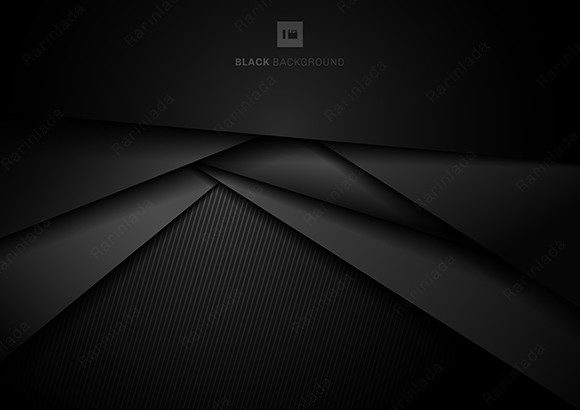
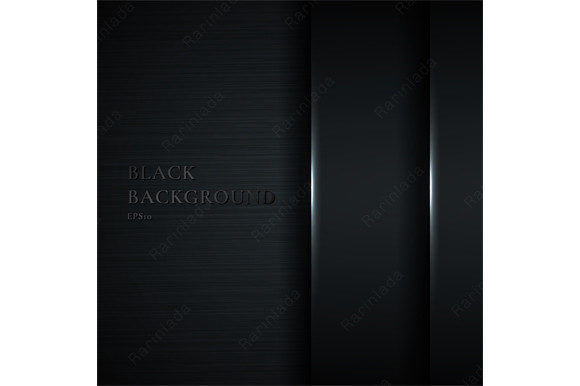
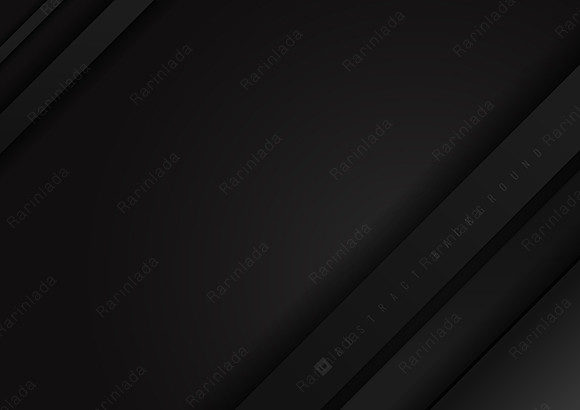
An Abstract 3D Black Layer Paper Background is a digital design asset that mimics the tactile feel of paper while incorporating three-dimensional shapes and layers. It typically features a dark color palette—primarily black—with subtle variations in texture and depth to create an engaging visual foundation. These backgrounds are often used as overlays or standalone visuals to elevate the professionalism and creativity of presentations, marketing materials, editorial layouts, and more.
The "abstract" aspect refers to the non-representational nature of the design. Instead of depicting real-world objects, it uses geometric forms and patterns to evoke emotion and interest. The "3D" element adds dimensionality, giving the illusion of depth and structure that can make static text or images stand out more effectively.
Key Features and Advantages
- Vector-Based Format: Being fully vector means the design is infinitely scalable without loss of quality. This makes it suitable for everything from social media thumbnails to large-format billboards.
- High Resolution (300 DPI): The file is provided at 300 dpi, ensuring sharpness and clarity across various mediums and outputs.
- No Watermark: The absence of watermarks ensures a clean and professional finish, which is crucial for commercial use or client deliverables.
- Fully Editable: With support for Adobe Illustrator, CorelDRAW, and similar software, users can customize colors, layer positions, and effects to suit their specific needs.
- Multiple File Formats: The package includes both EPS Version 10 and JPG formats, offering flexibility depending on the project requirements.
Real-World Applications and Use Cases
This type of background excels in scenarios where elegance meets minimalism. For instance, it can serve as a backdrop for:
- Corporate brochures or annual reports requiring a refined look
- Website headers or landing pages needing a bold yet sophisticated visual identity
- Invitations or event posters with a dramatic and artistic flair
- Blog posts or articles aiming to enhance readability with a textured base
A practical example would be a marketing agency designing a portfolio website. By using an Abstract 3D Black Layer Paper Overlay Background, they can present client work in a sleek, modern layout that still feels grounded and tangible. The contrast between the dark, textured background and white or light-colored text helps improve legibility while maintaining a stylish edge.
Evaluating Quality and Usability
When assessing the value of any design resource, it's important to consider how well it holds up under different conditions. The Abstract 3D Black Layer Paper Background scores highly in terms of quality due to its crisp lines, consistent textures, and realistic shading. Because it's vector-based, there’s no pixelation when resizing, which is a common issue with raster graphics.
Usability is another strong point. Designers who work across multiple platforms will appreciate the compatibility with Adobe Illustrator, CorelDRAW, and other vector editing tools. The ability to edit individual layers allows for fine-tuning—whether you want to adjust the depth of a fold, change the hue of the paper, or add custom typography seamlessly into the composition.
Flexibility and Customization Potential
One of the most appealing aspects of this background is its flexibility. Unlike pre-made stock images that limit your creative control, the Abstract 3D Black Layer Paper Background gives you the freedom to modify every detail. You could, for example, shift the perspective of the 3D elements to align better with your branding, or integrate additional design components like icons or logos without compromising the integrity of the background.
This level of customization makes it particularly valuable for freelancers and small businesses that need unique assets tailored to their clients' preferences. Whether you're creating a minimalist poster or a complex infographic, the background adapts to your vision rather than dictating it.
Who Benefits Most from This Resource?
Professionals in several fields can derive significant benefit from this design asset:
- Graphic Designers: Those looking to add texture and depth to their compositions without cluttering the design space.
- Marketing Teams: Individuals who need visually striking yet clean templates for campaigns, newsletters, or promotional materials.
- Web Developers and UI/UX Designers: People working on user interfaces who require a background that enhances focus and hierarchy.
- Print Designers: Anyone preparing materials for print should appreciate the high-resolution output and the realistic paper feel it brings to physical media.
Design Strengths and Limitations
While the Abstract 3D Black Layer Paper Background has many strengths, it's not universally applicable. Its primary advantage lies in its ability to add a sense of tactility and professionalism to otherwise flat compositions. However, if your project requires bright colors or intricate details in the background itself, the monochromatic nature of this design might not be the best fit.
Another consideration is context. In some cases, the abstract 3D elements may draw too much attention away from the main content. If you're using this as a text overlay background, ensure that the placement and contrast of the text are carefully planned to maintain readability.
Practical Recommendations for Best Use
- Use as a Text Overlay: One of the most effective ways to utilize this background is by placing it behind text or key visuals. The dark tones provide excellent contrast, especially when paired with light or white fonts.
- Layer with Additional Elements: Combine the background with other vector illustrations or photographs to create a dynamic composition. The 3D paper elements can act as a base for more complex designs.
- Customize Colors and Lighting: Experiment with gradients or lighting effects to subtly alter the mood of the design. Even though the original is black, converting it to grayscale or adding a slight tint can yield interesting results.
- Optimize for Different Media: Since it comes in both vector and raster formats, use the appropriate one depending on whether you're working digitally or preparing for print. The vector format is best for scalability, while the JPG is useful for quick web-based applications.
Long-Term Value and Consistency
Investing in a high-quality vector illustration like the Abstract 3D Black Layer Paper Background offers long-term benefits. As trends evolve and new design challenges arise, the ability to edit and adapt the background ensures it remains relevant. Additionally, because it's delivered in industry-standard formats, you can confidently store it in your design library knowing it will open reliably over time.
Consistency is also a key factor. When used across multiple projects—such as a series of blog posts, product packaging, or presentation slides—the same background can help establish a cohesive visual identity. This is particularly helpful for brands that want to maintain a unified style without repeating the exact same image each time.
Conclusion
The Abstract 3D Black Layer Paper Background is more than just a decorative asset—it’s a functional tool that supports a wide range of creative endeavors. Its combination of realism and abstraction, along with its technical advantages, makes it a reliable choice for professionals who demand precision and aesthetics in their work.
If you’re looking for a design element that balances visual intrigue with usability, this background could be a great addition to your toolkit. Just remember to evaluate how it fits within your existing workflow and the goals of your project. With thoughtful application, it can become a staple in your design process.