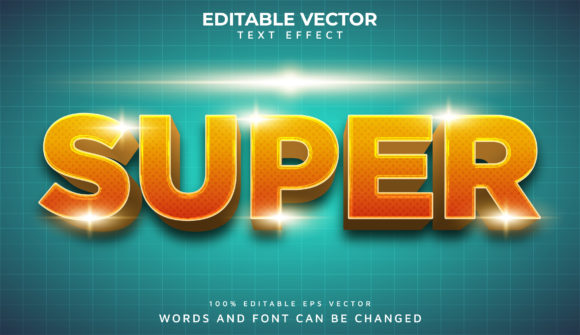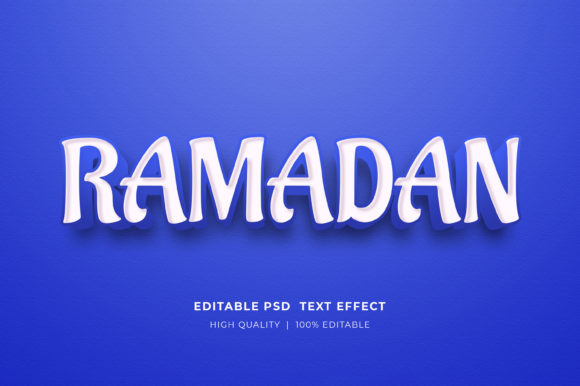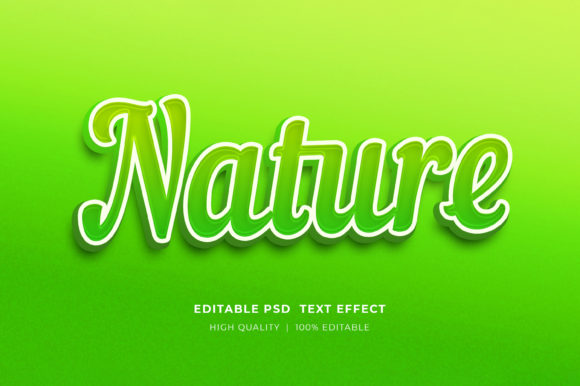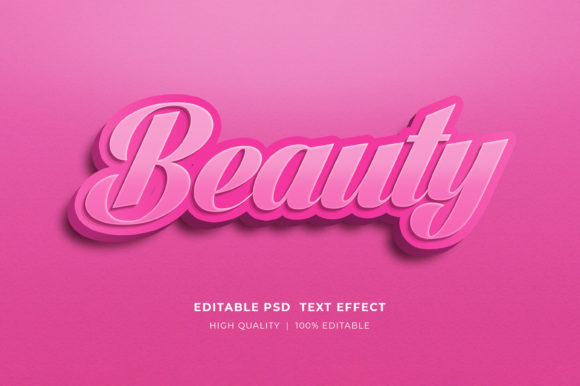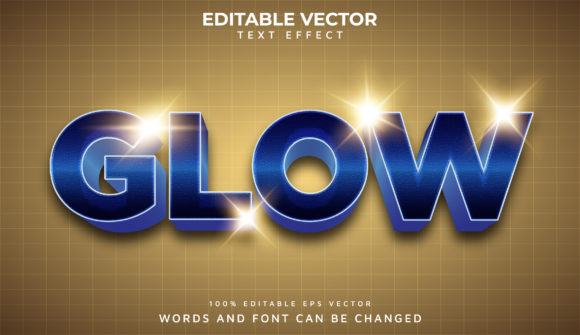
3D Glow Text Effect Eps Editable Vector
In the landscape of modern digital design, text is rarely just text. It is a visual anchor, a brand identifier, and often the primary vehicle for emotional impact. When designers or marketers seek to elevate typography beyond standard flat layouts, they frequently turn to dimensional effects that add depth, luminosity, and presence. Among the most versatile assets for achieving this are 3D Glow Text Effect Eps Editable Vector files. These resources represent a convergence of aesthetic appeal and technical utility, allowing creators to produce high-impact visuals without starting from a blank canvas every time.
The term "EPS" refers to Encapsulated PostScript, a file format developed by Adobe Systems that is widely used for vector graphics. Unlike raster images (such as JPEGs or PNGs), which are made of pixels and become blurry when scaled up, vectors are mathematical constructs. This means a 3D glow text effect in EPS format can be resized from a business card logo to a billboard banner without any loss in quality. Furthermore, the "editable" aspect ensures that the design is not a static image but a malleable object within software like Adobe Illustrator, CorelDRAW, or Affinity Designer.
Understanding the Asset: What Makes It Different?
To understand where this asset fits into your workflow, it is crucial to distinguish it from pre-made raster overlays or locked vector templates. A standard 3D text effect might look impressive, but if the layers are merged or the fonts are embedded as outlines with no ability to swap characters, its utility drops significantly. The specific value of an editable EPS 3D glow text lies in its modularity.
These files typically consist of layered groups representing different components of the effect: the base character shape, the extrusion (the 3D side depth), the front face, and the glow or aura surrounding the text. Because these elements remain distinct, a designer can alter the color of the glow independently of the text body, change the angle of the 3D perspective, or completely replace the font while maintaining the structural integrity of the effect. This level of control is essential for maintaining brand consistency across various media.
Integration Into Design Workflows
For professionals managing multiple projects, efficiency is paramount. Relying on stock photos or generic clip art often leads to disjointed branding. Integrating 3D Glow Text Effect Eps Editable Vector resources allows for a more streamlined creative process. Here is how this asset interacts with common stages of a design project.
Pre-Production and Planning
Before opening any design software, the conceptual phase involves deciding on the hierarchy of information. If a campaign requires a headline that needs to pop against a dark background, a flat sans-serif font might get lost. By having access to a library of 3D glow vectors, a designer can quickly mock up concepts. The decision to use a 3D effect should be strategic, reserved for key messages or logos where emphasis is critical, rather than applied universally to all copy.
At this stage, checking compatibility is vital. Ensure that the EPS file version is compatible with your team’s software. While EPS is a legacy format, it remains robust. However, newer workflows may benefit from AI (Adobe Illustrator) files, though EPS offers broader compatibility with older systems and non-Adobe applications.
Execution and Customization
Once the concept is approved, the actual implementation begins. Opening an editable EPS file reveals the underlying structure. The first step in customization is usually text replacement. Since the font is free and fully editable, you can type your own message. However, a critical consideration here is font substitution. If the original design uses a specific font to calculate the 3D extrusion angles, changing the text to a font with different character widths or heights may distort the 3D effect.
Practical Tip: Always keep the original font installed on your system when editing, or convert the text to outlines only after finalizing the layout. For dynamic content where text length varies, it is often better to use the 3D effect as a background element and place clean, readable text over it, rather than forcing the 3D mesh to stretch unnaturally.
The glow component offers significant flexibility. In marketing materials targeting younger demographics or tech sectors, a neon-style glow suggests innovation and energy. For corporate reports or educational materials, a subtle, soft glow can add professionalism without appearing gimmicky. Adjusting the opacity, blur radius, and color gradient of the glow layer allows for precise tonal matching with the rest of the design palette.
Technical Considerations and Quality Control
While the promise of "fully editable" is appealing, technical hurdles can arise. One common issue with complex 3D vectors is file size and performance. High-resolution 3D effects with numerous gradient meshes and transparency effects can slow down rendering times in large documents. To mitigate this, designers should flatten layers only when the design is finalized and ready for export. During the editing phase, keeping layers intact preserves the ability to make last-minute adjustments.
Another factor is color mode conversion. EPS files are often created in RGB (Red, Green, Blue) mode for screen display, but print production requires CMYK (Cyan, Magenta, Yellow, Key/Black). When converting a vibrant 3D glow effect from RGB to CMYK, colors may appear duller or shift unexpectedly. It is best practice to perform color corrections after conversion to ensure the glow retains its luminosity in print. Using spot colors for the glow effect can also enhance vibrancy in physical prints.
Use Cases Across Industries
The versatility of these vectors makes them applicable across a wide spectrum of professional fields.
- Small Business Owners: For entrepreneurs launching a new product, a custom 3D text logo can serve as the centerpiece of packaging design, social media banners, and email headers. The editable nature allows for seasonal updates—changing the text from "Summer Sale" to "Winter Offer" without redesigning the entire graphic.
- Educators and Trainers: In slide decks and instructional materials, 3D text effects can highlight key terms or module titles. This visual distinction helps learners focus on important concepts. Using free fonts ensures that the materials remain accessible and legally compliant for distribution.
- Freelancers and Agencies: For agencies handling rebranding projects, having a toolkit of high-quality 3D text effects reduces production time. Instead of modeling 3D text from scratch, which is time-consuming, designers can apply existing, polished effects to client briefs, allowing more time for strategy and conceptual development.
- Blogger Publishers: Content creators often need eye-catching headers for blog posts or YouTube thumbnails. An editable vector allows for quick resizing and color tweaking to match the thumbnail’s background, increasing click-through rates through improved visual contrast.
Long-Term Value and Organization
Investing in high-quality, editable vector assets is a long-term strategy for design efficiency. Rather than purchasing a new graphic for every campaign, building a personal library of 3D glow texts categorized by style (e.g., metallic, neon, holographic) creates a reusable resource. Proper organization is key; naming layers clearly within the EPS file before saving ensures that future users (or your future self) can navigate the file easily.
Furthermore, understanding the legal aspects of "free fonts" included in these packages is important. While the vector file itself may be free to use, the license for the specific font family must be verified. Most professional workflows assume commercial use rights, but confirming this prevents potential legal issues when publishing work for clients or selling products.
Conclusion on Implementation
The integration of 3D Glow Text Effect Eps Editable Vector into your creative process bridges the gap between static typography and dynamic visual storytelling. By leveraging the scalability of vectors and the modularity of editable layers, designers and marketers can produce consistent, high-quality branding assets efficiently. The key to success lies not just in applying the effect, but in understanding how it interacts with color theory, layout hierarchy, and technical constraints. Whether preparing for a print launch or designing digital ads, these tools offer a practical solution for adding depth and attention-grabbing power to your textual content.
As you incorporate these assets into your routine, focus on refinement. Experiment with combining the 3D text with other vector elements, such as shadows or abstract shapes, to create unique compositions. The goal is to enhance the message, not overshadow it. With careful planning and technical awareness, these editable vectors become indispensable components of a professional design workflow.