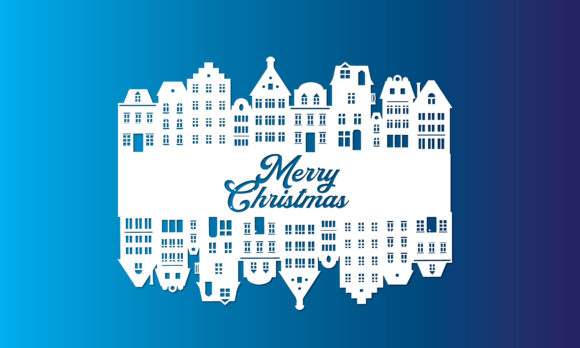
3D Christmas Paper Cut: A Creative Way to Elevate Your Holiday Decor
As the holiday season approaches, many people look for unique and artistic ways to bring festive cheer into their homes. One standout option is the 3D Christmas Paper Cut, a design that adds depth, texture, and visual interest to traditional paper cutouts. These intricate designs are perfect for creating eye-catching decorations, greeting cards, signage, or even custom packaging. Whether you're a professional designer, an entrepreneur preparing for the holidays, or a hobbyist looking to try something new, 3D Christmas Paper Cuts offer a fresh take on classic themes.
What Exactly Is a 3D Christmas Paper Cut?
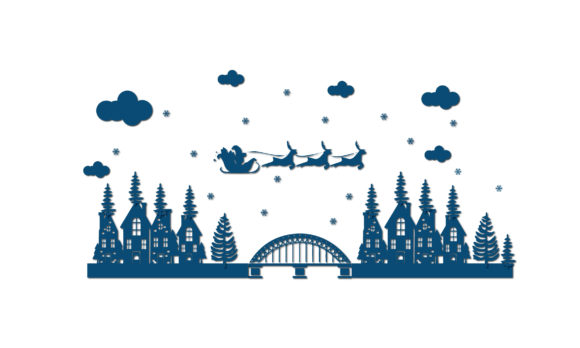
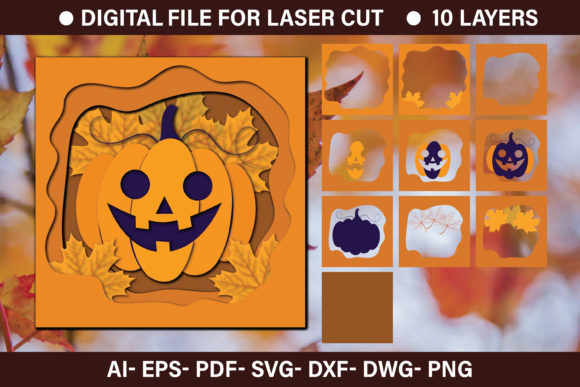
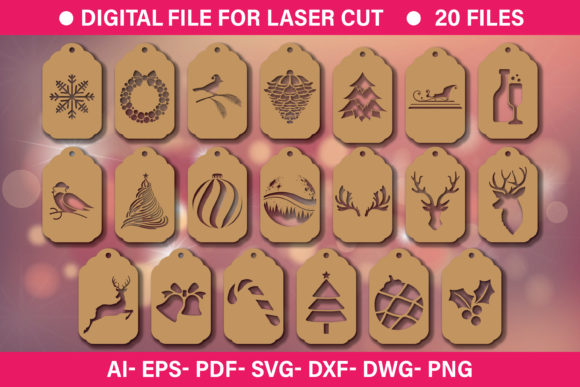
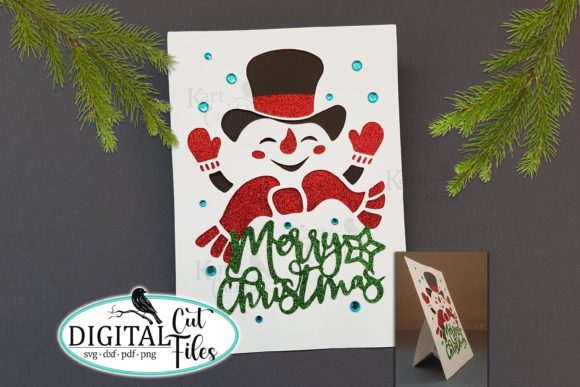
A 3D Christmas Paper Cut is a digital illustration or template designed with layered elements to create the illusion of depth when printed or cut out. Unlike flat 2D designs, these cuts often feature raised sections, shadows, or perspective lines that give them a more dynamic appearance. They are commonly used in papercraft, laser cutting, sublimation printing, and as high-quality visuals for online content or product packaging.
These designs are typically created using vector graphics software and come in various file formats such as AI, EPS, SVG, PNG, and JPG. The use of CMYK color mode ensures accurate color reproduction for print, while the 300 DPI resolution guarantees sharpness and clarity in every detail.
Why People Are Turning to 3D Christmas Paper Cuts
Consumers and creators alike are drawn to 3D Christmas Paper Cuts because they add a level of sophistication and professionalism to holiday projects. They can be easily customized, making them ideal for personal branding, event decoration, or selling seasonal products online. With editable vector layers, users can adjust colors, shapes, and sizes without compromising quality — a huge advantage over low-res or non-editable images.
Additionally, having access to multiple file types like AI and EPS allows for seamless integration into different workflows. For example, a small business owner might use the SVG format for laser-cutting custom ornaments, while a blogger could utilize the PNG or JPG files for social media posts or website banners.
Common Mistakes When Choosing and Using 3D Christmas Paper Cuts
Despite their popularity, there are several pitfalls that users encounter when selecting and working with 3D Christmas Paper Cuts. Here are some of the most common ones:
- Ignoring File Format Compatibility: Not all design software supports every file type. Downloading an AI file won't help if your program only works with EPS. Always confirm which formats you need before purchasing or downloading.
- Underestimating Print Resolution: A design may look great on screen but fail to print clearly if it’s not at least 300 DPI. Low-resolution images can appear blurry or pixelated when enlarged, especially for physical items like posters or cards.
- Not Checking Color Mode: If you plan to print the design, make sure it's in CMYK color mode, not RGB. Mismatched color profiles can lead to unexpected hues and affect the overall presentation of your project.
- Overlooking Scalability: Some templates aren’t built to scale well. When resizing a design, poor layer construction can cause distortion or loss of detail. Always test scaling in your design software before finalizing a large project.
- Misusing Layer Groups: Vector files should have organized layers for easy editing. If a design doesn’t separate elements (like text from background), modifying specific parts becomes difficult and time-consuming.
How These Mistakes Can Impact Your Results
Choosing the wrong file format can delay your workflow and require unnecessary conversions or re-downloads. If you’re planning to sell your creations, this inefficiency can directly affect your productivity and profitability. Similarly, ignoring resolution or color settings can lead to unprofessional-looking prints, which may disappoint customers or reduce engagement if used online.
For instance, imagine you’ve purchased a beautiful 3D Christmas Paper Cut to include in your holiday card design. You resize it for a larger poster without checking the resolution, and the result is a blurry image. Or worse, you forget to convert the colors to CMYK before sending it to print, and the reds look dull instead of vibrant. These issues don’t just cost time and money — they also damage your credibility and customer satisfaction.
Practical Tips to Avoid Common Pitfalls
To ensure your 3D Christmas Paper Cut works perfectly for your intended use, follow these best practices:
- Verify Software Compatibility: Before buying a design, check the description to see what file formats are included. If you're unsure about your own tools, do a quick search to find which programs support AI, EPS, SVG, etc.
- Confirm Print Settings: Always review the resolution (minimum 300 DPI) and color mode (CMYK for print). Many platforms let you preview or download a sample to verify quality before purchasing.
- Test Scaling Early: Open the vector file in your design software and try enlarging it by 50% or 200%. If the lines remain crisp and the layers stay intact, the design is likely scalable.
- Look for Editable Layers: A good 3D Christmas Paper Cut should allow you to modify individual components. This makes it easier to personalize the design for different uses, like changing the background color or adding text.
- Check Licensing Rights: Make sure you understand how you can legally use the design. Some templates are for personal use only, while others permit commercial applications. Knowing this up front prevents legal headaches later.
Real-World Examples of Better Approaches
Let’s say you're designing custom wrapping paper for a boutique store. Instead of using a standard JPEG image that lacks transparency and detail, you opt for a 3D Christmas Paper Cut in SVG format. You import it into Adobe Illustrator, change the colors to match your brand palette, and export it as a high-res PDF for printing. The result is a cohesive, professional look that stands out among competitors.
Another scenario involves a blogger who wants to add festive visuals to their holiday newsletter. They choose a PNG version of a 3D Christmas Paper Cut with a transparent background, allowing it to blend seamlessly with their site’s design. By ensuring the image is 300 DPI and properly compressed, they maintain quality while keeping load times fast.
What to Check Before Making a Decision
Before investing in a 3D Christmas Paper Cut, ask yourself these key questions:
- Do I have the right software to edit and use the file formats provided?
- Is the design compatible with my intended medium (print, web, laser cutting)?
- Can I modify the colors and layout without breaking the design?
- Does the creator provide clear instructions or previews?
- Are there any restrictions on how I can use the design?
Answering these questions upfront will save you from potential frustrations and ensure the design meets your expectations. If you’re unsure, reach out to the seller or designer for clarification. It’s always better to get details now than face complications later.
The Value of High-Quality Files
Having access to high-quality files like AI and EPS means you can tweak and enhance your design without worrying about losing quality. These vector-based files retain sharp edges and smooth gradients no matter the size. Meanwhile, PNG and JPG versions are optimized for both web and print, ensuring your work looks its best across all platforms.
If you're using the design for laser cutting or sublimation, the SVG file is essential. It maintains precise paths and measurements, which are critical for accurate production. For digital use, the PNG provides a transparent background, so your design can integrate smoothly into websites or slideshows. The JPG is useful when a solid background is preferred, like for printed brochures or flyers.
Final Thoughts on Choosing the Right Design
When selecting a 3D Christmas Paper Cut, focus on practicality and adaptability. Look beyond the visual appeal and consider whether the design meets your technical needs. A poorly chosen template might look nice initially, but it can become a liability when you discover it’s not suitable for your project.
By understanding file formats, resolution requirements, and color modes, you’ll be able to pick the best design for your goals. Whether you're creating gifts, marketing materials, or classroom activities, a well-chosen 3D Christmas Paper Cut can elevate your work and impress your audience.